E-Max Coating,
It is a full ceramic restoration option.

We evaluate light transmittance, adjacent teeth, healthy tooth tissue and bite as well as color and form.

Assessment and planning
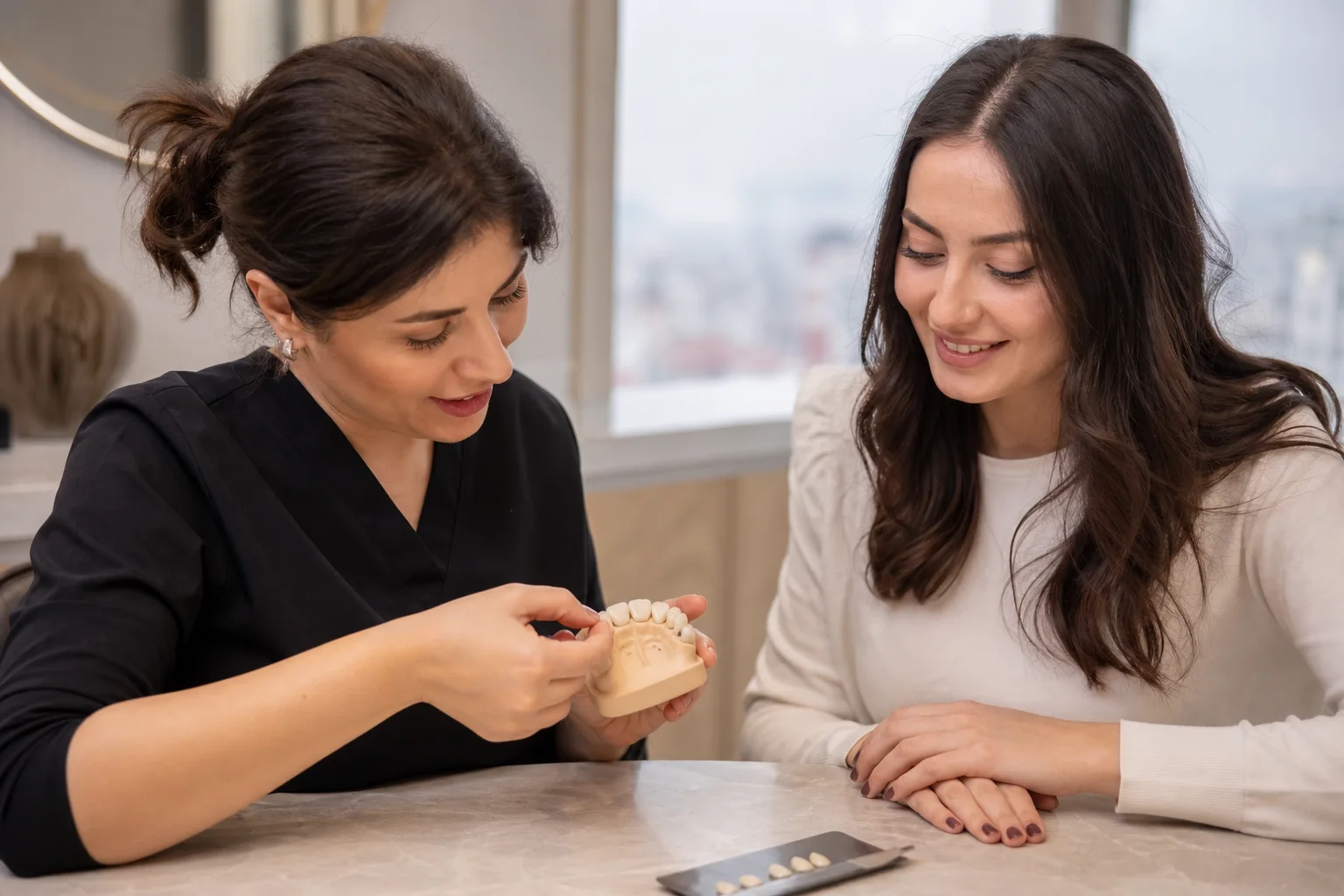
Dentist explaining E-Max ceramic restoration to his patient on a tooth model
01

Material selection is made according to the clinical needs of the tooth as well as the aesthetic expectation.

What is E-Max coating?

E-Max coating
Which teeth can be evaluated?

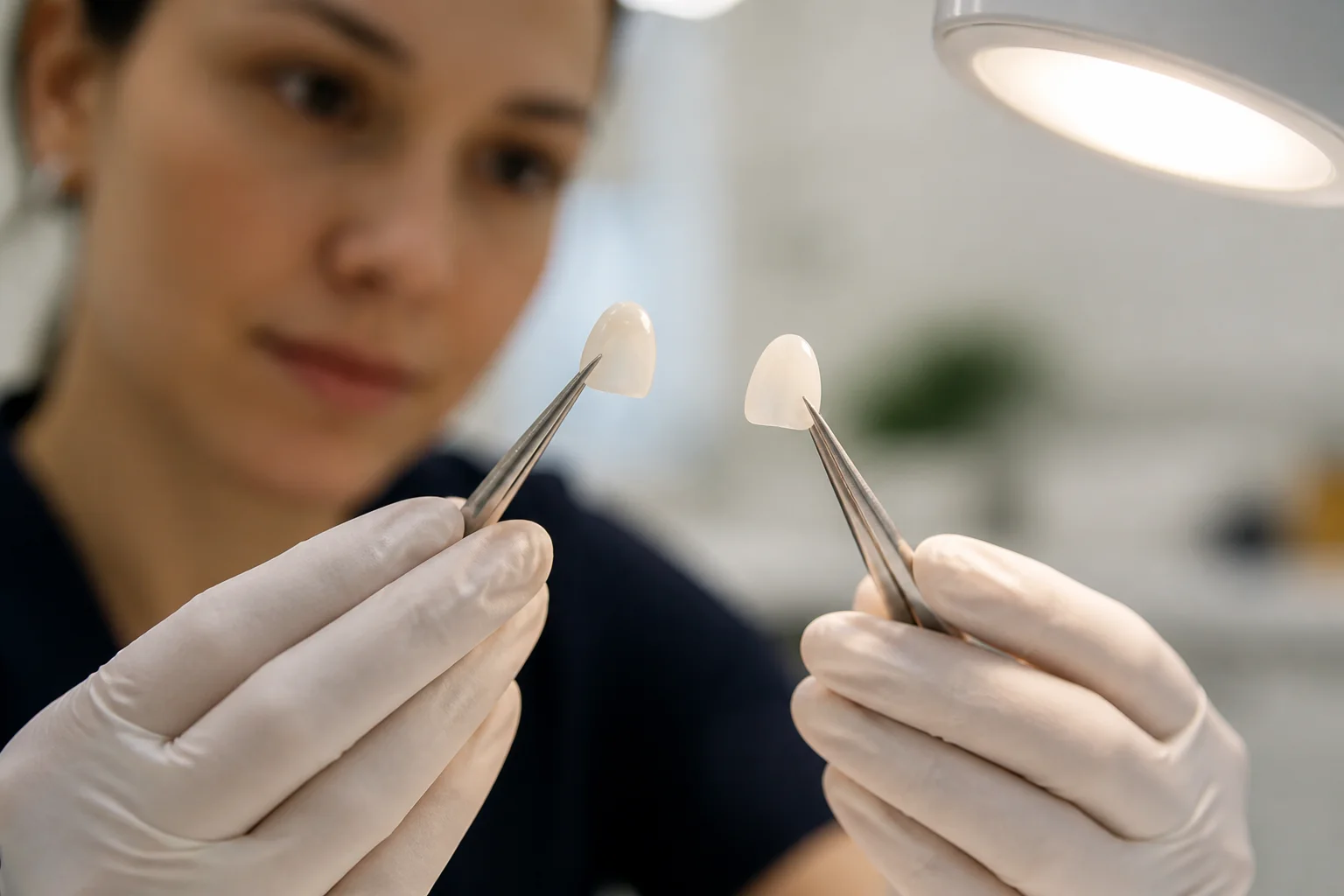
E-Max is one of the lithium disilicate based ceramic options that do not contain a metal infrastructure. Usage decisions are not made solely on appearance.

Dentist examining the E-Max veneer and tooth model with his patient
The thickness, color of the restoration and the underlying tooth tissue are evaluated together.

The aim of E-Max restorations is not only to obtain a light color; To create a form, surface texture and light behavior compatible with neighboring teeth.

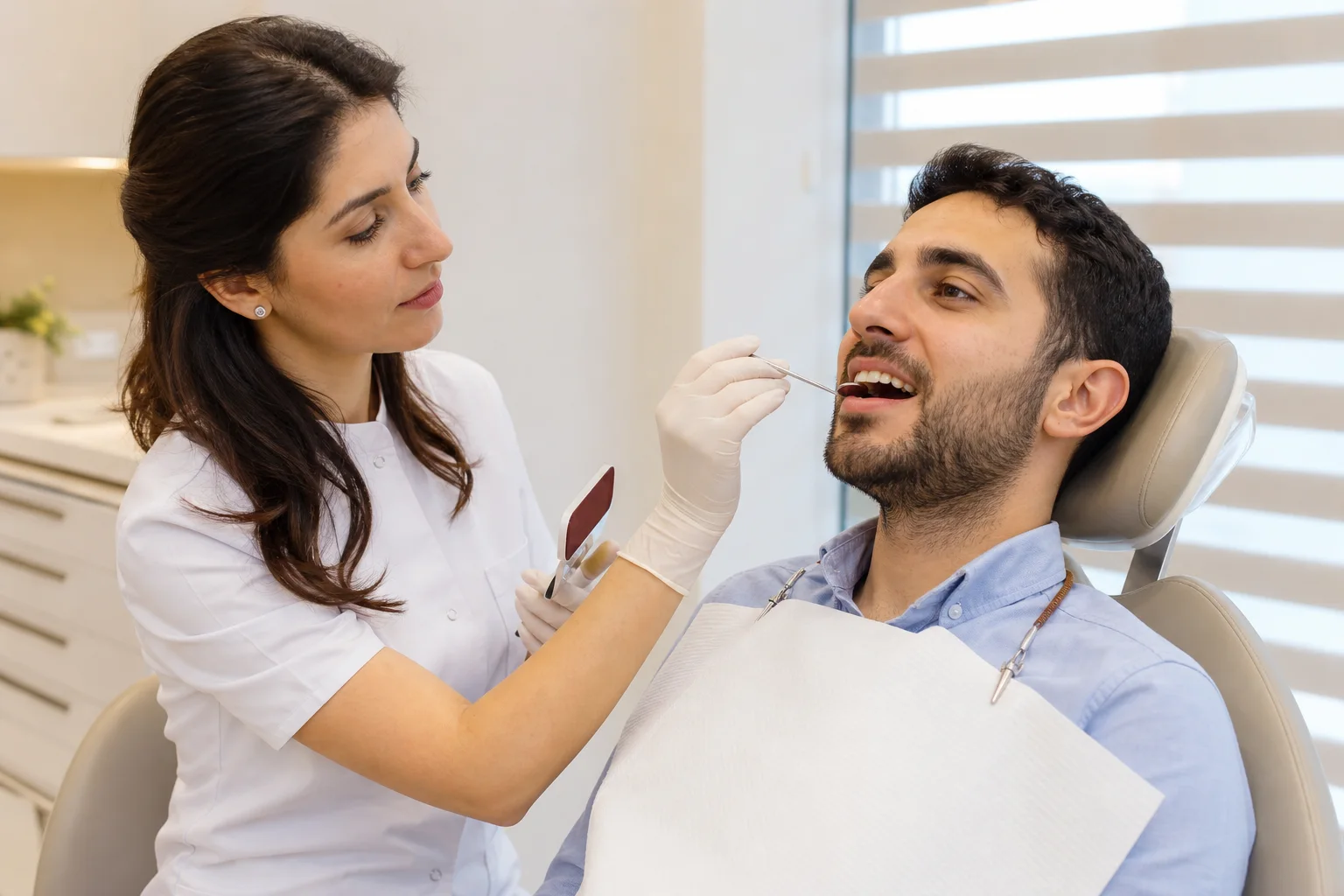
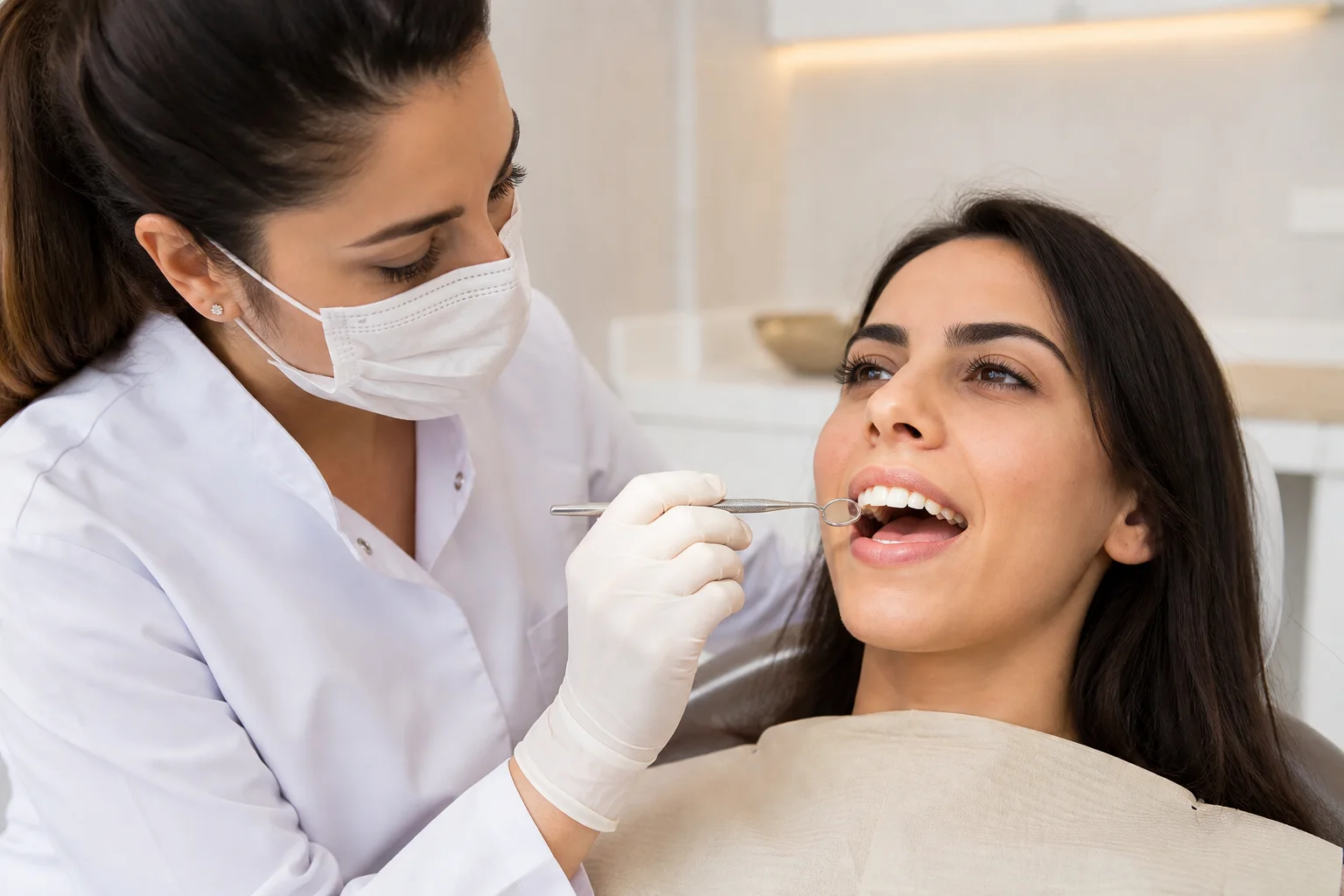
In the first examination, we evaluate the remaining sound tooth tissue of the tooth, gum level, current color and bite relationship. If there is decay, old restoration or gum problems, necessary treatments are planned before the aesthetic procedure.

E-Max may be considered for single-tooth restorations, selected anterior crowns and other all-ceramic restorations. Different materials may be more appropriate where posterior bite forces, marked discolouration or clenching are present.

The same ceramic is not chosen for every case.The material decision is made by examining the position of the tooth, tissue loss, color, closure and aesthetic expectations together.

01
textureRemaining intact tooth structure
02
ColorInfrastructure and adjacent tooth compatibility
03
RegionPosition and visibility of the tooth
04
Strengthbite and clenching effect
Treatment process

E-Max coating process
There are four stages from inspection to bonding.

The number of sessions and the order of procedure may vary depending on the current condition of the tooth and accompanying treatments.

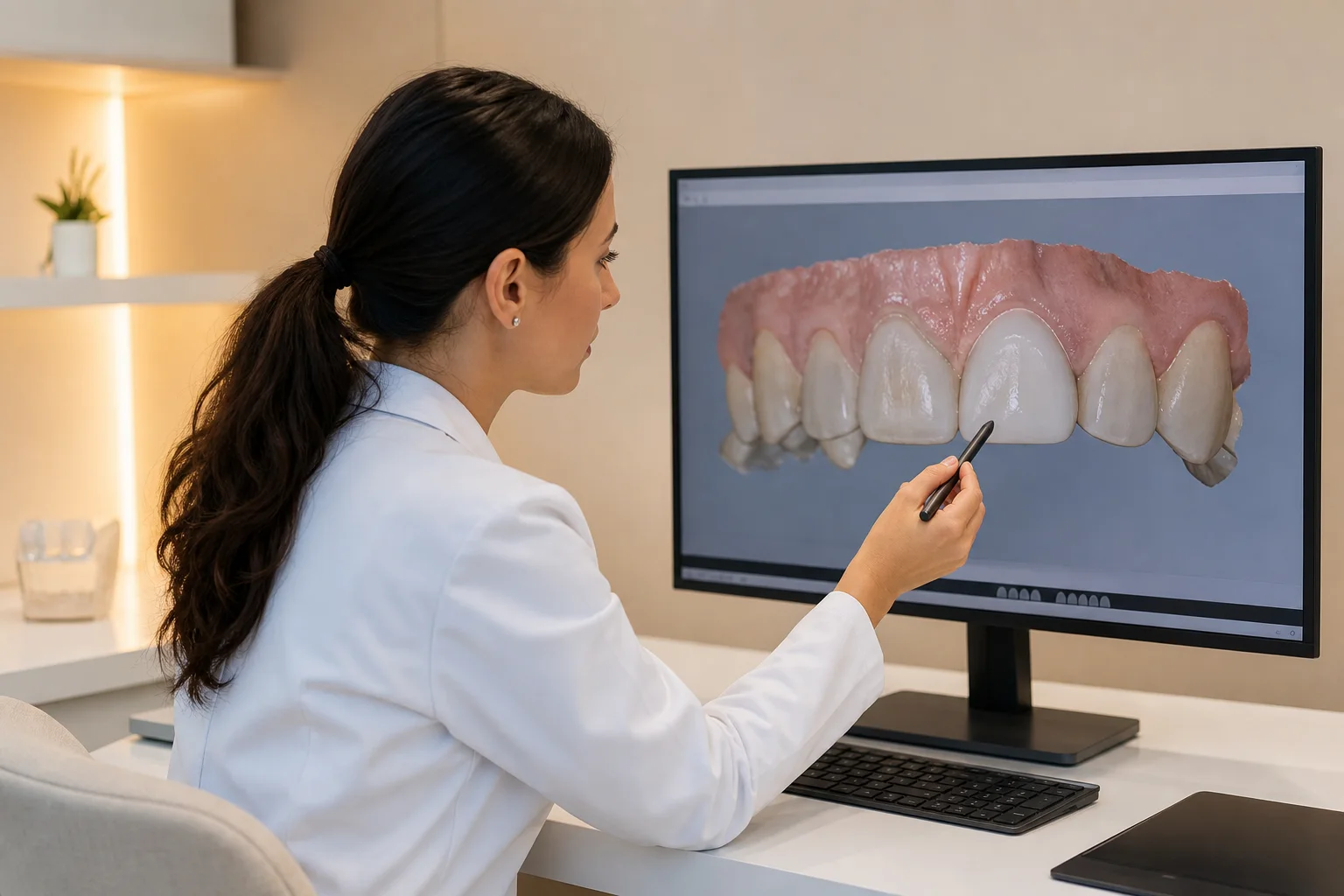
Clinical dental and bite evaluation before E-Max veneer Color and photo registration for E-Max coating Digital planning of the E-Max coating E-Max coating proofing and fit control
01 / InspectionDental tissue and bite
We evaluate it in detail.
01 — 04
  1. 01
    inspection

    Assessment and planning

    We clinically examine the remaining tissue of the tooth, gums, adjacent teeth and bite forces.

  2. 02
    Records

    Color and photo

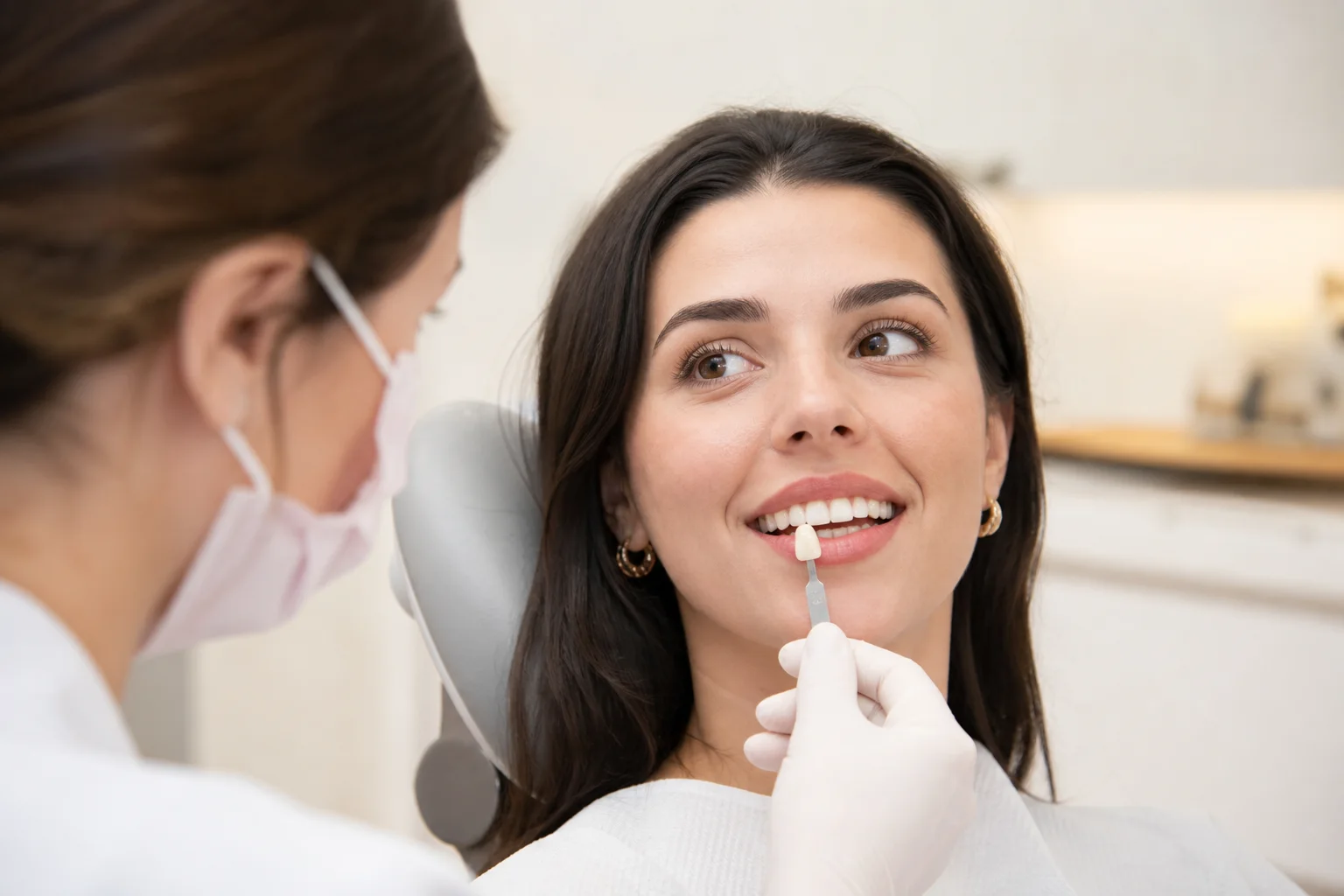
    Natural tooth color, light transmittance and surface properties are recorded with photographs and color scales.

  3. 03
    Design

    Preparation and measurement

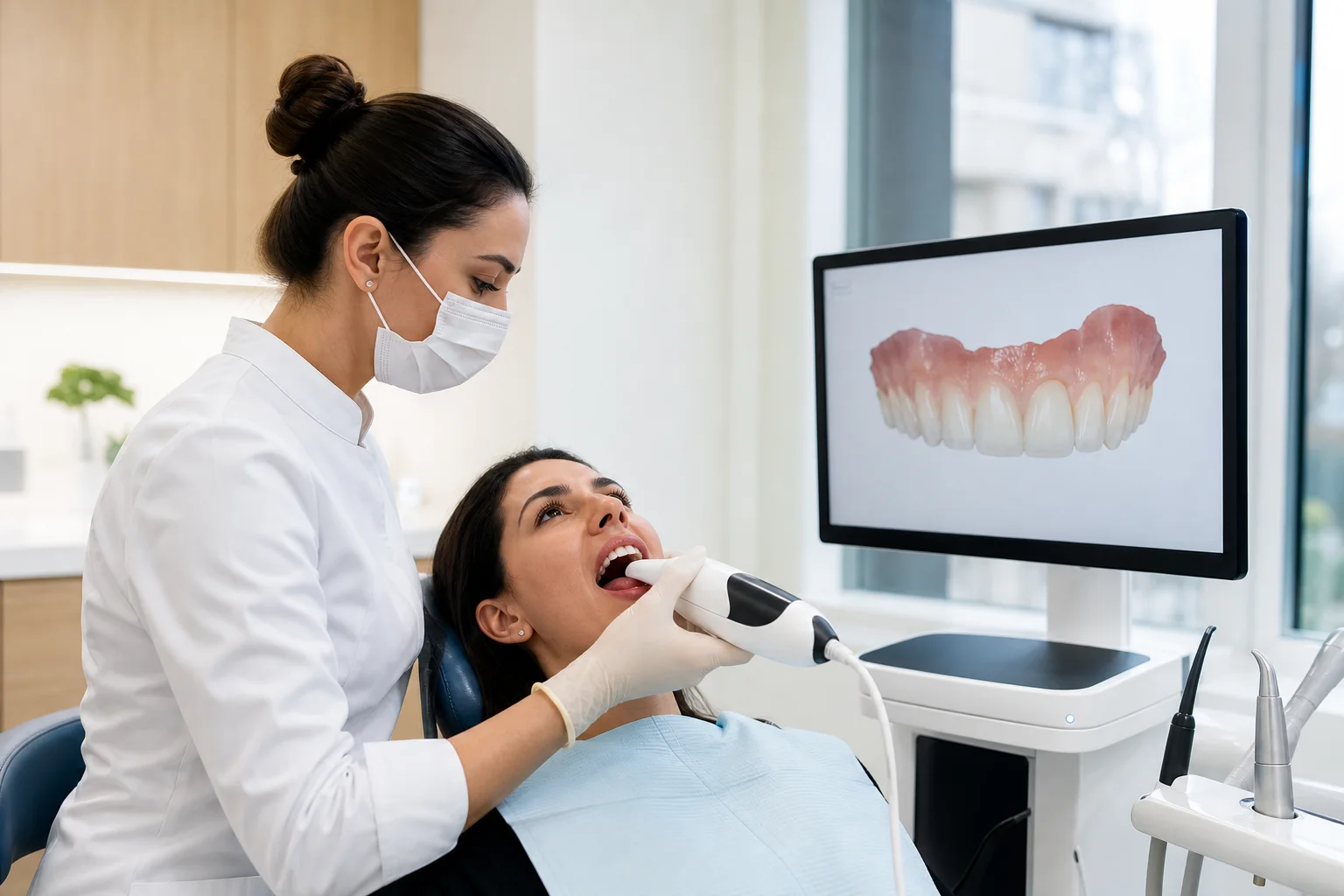
    Once the necessary tooth preparation is completed, a digital or traditional impression is taken; Temporary restoration is prepared according to need.

  4. 04
    Review

    Proofing and gluing

    The color, form, edge fit and closure of the restoration are evaluated. It is applied permanently when deemed appropriate.

Planning details

E-Max restorations
color, light and bite planning.

A successful restoration does not depend only on the choice of ceramics. Texture, color, preparation and closure are managed together.

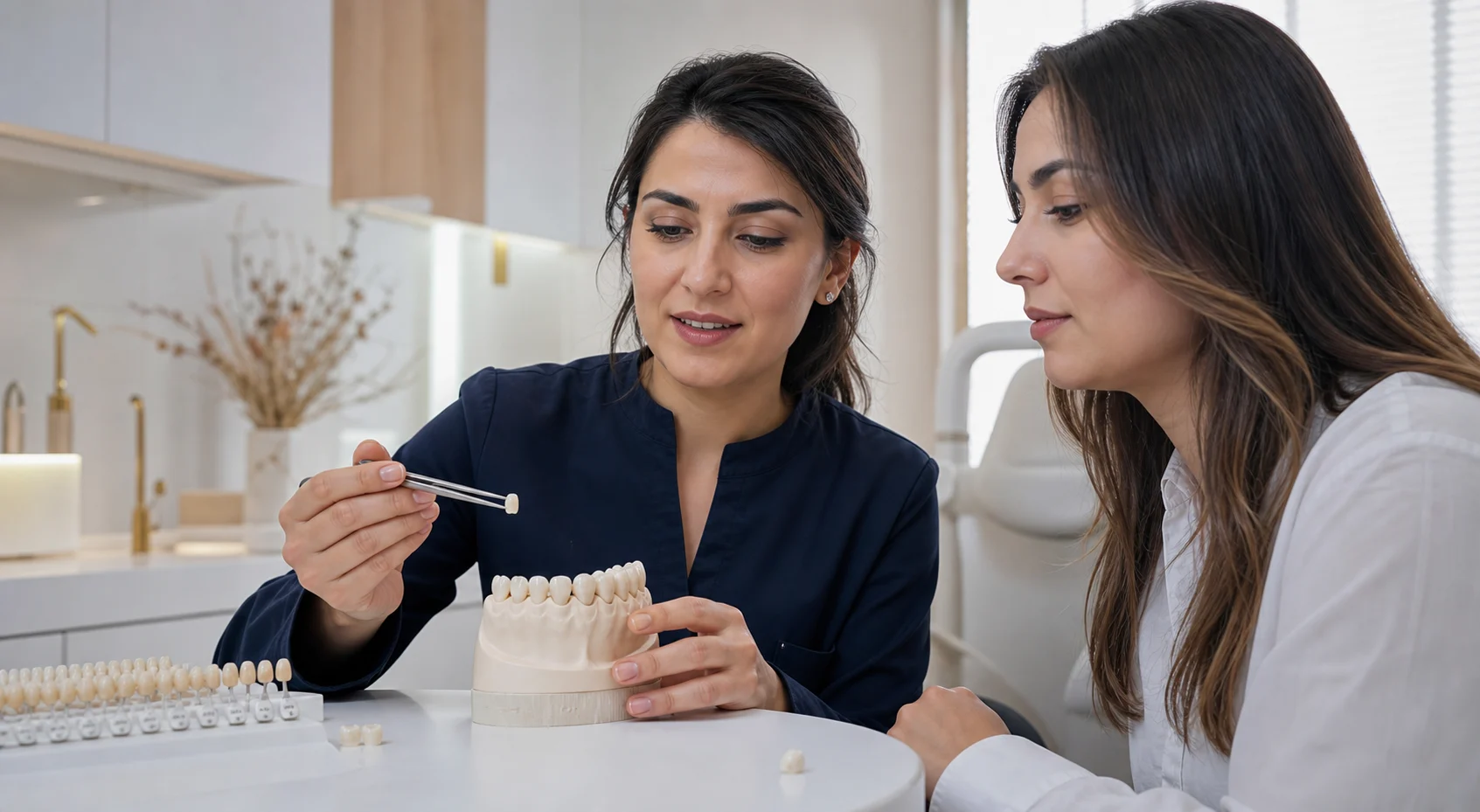
Recording the natural tooth color with a scale for E-Max veneer
01 Color registration
01 / Color

Color selection

The main color of adjacent teeth, their appearance in different light conditions, and the tone of the underlying tooth tissue are evaluated together.

In single-tooth restorations, surface texture and light reflection as well as color affect the fit.Assessment and planning
Correct indication

E-Max,
It is not suitable for every tooth.

Although its aesthetic properties are strong, material selection cannot be made solely on appearance. Advanced material loss, strong bite, clenching, discolored infrastructure or position of the tooth may make a different restoration more suitable.

Our aim is not to adapt the material to the patient; is to choose the option that suits the biological and mechanical needs of the tooth.

Request a compliance interview

Frequently asked questions

About the E-Max coating
frequently asked questions.

Material selection and treatment scope are determined after clinical examination.

E-Max is one of the lithium disilicate based full ceramic restoration systems. It does not contain metal infrastructure; Due to its color and light transmittance properties, it can be evaluated especially in appropriate cases where aesthetic expectations are high.

Suitability is determined by examining the remaining healthy tooth tissue, the position of the tooth, the degree of color change, bite forces and teeth clenching habits. It may not be the first choice for every tooth and every patient.

The light transmittance, strength properties and usage areas of the two materials are different. Which material is suitable is determined by the position of the tooth, the color of the underlying tooth, the force on it and the aesthetic goal.

The amount of preparation required varies depending on the current form of the tooth and the planned restoration. The goal is to preserve as much intact tooth tissue as possible while providing adequate space for restoration.

Usage period; It depends on oral care, bite forces, clenching, regular check-ups and clinical compliance of the restoration. It is not right to give a certain lifespan that is the same for everyone.

The fee is determined according to the number of teeth to be applied, the need for preliminary preparation, the scope of the restoration and accompanying treatments. Personal plan and fee information is shared after the clinical examination.