
preventive maintenance
Professional dental scaling
We support the effectiveness of daily care by removing debris around teeth and gums.
We evaluate findings such as bleeding, swelling or recession not only in the visible area, but also with all the supporting tissues surrounding the tooth.
Periodontal Assessment ↗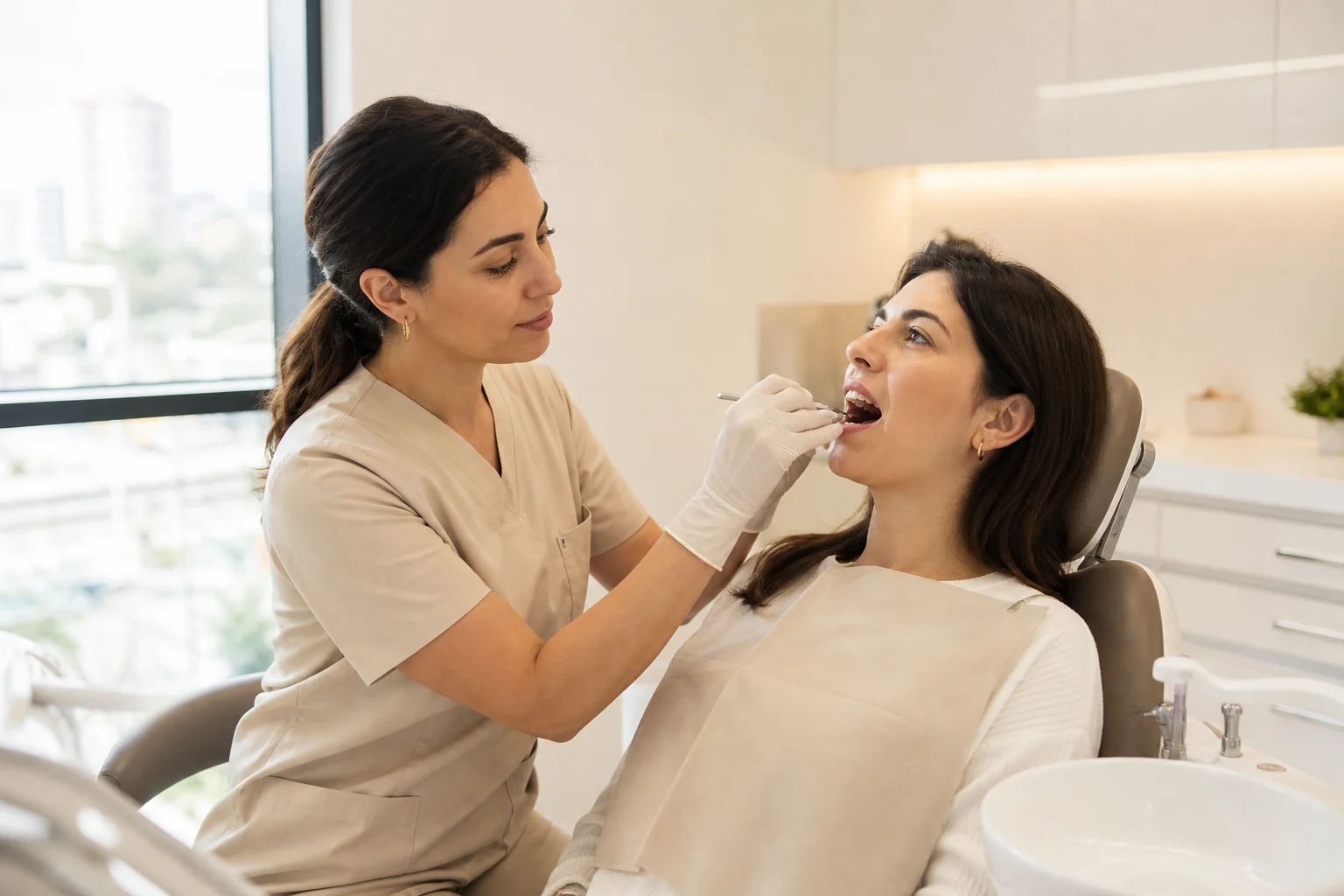
Gum health; Color, bleeding, pocket depth and supporting tissues are examined together and evaluated.
Gum diseases; It covers inflammatory conditions that affect the gum and bone tissues surrounding the teeth. Gingivitis may occur in the early stages, and periodontitis may occur in the later stages.
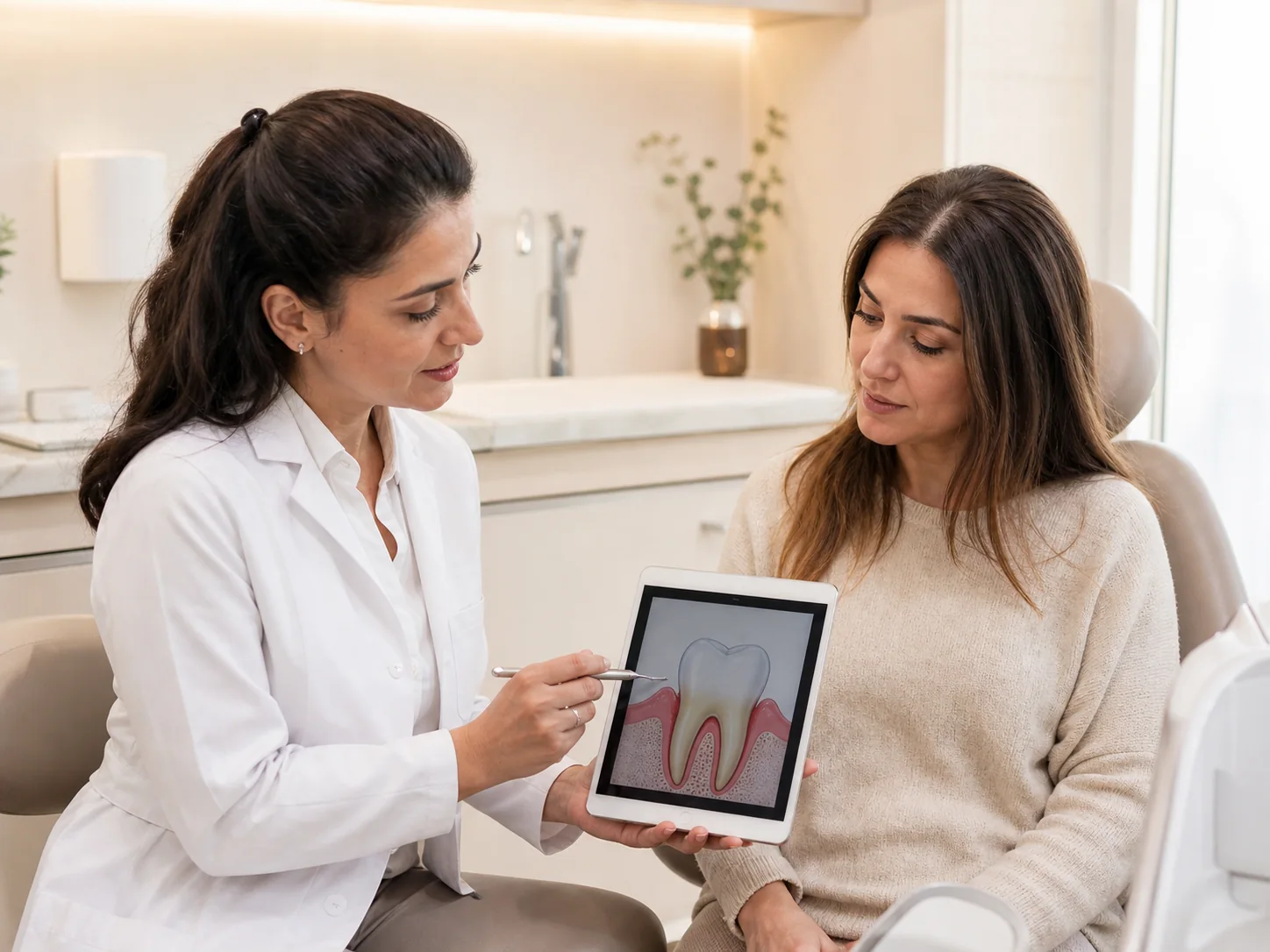
Bleeding gums are often attributed to hard brushing alone. However, it may be one of the first signs of inflammation in the tissues.
In the first evaluation, gum color and consistency, bleeding, tartar, gum recession and pocket depths around the teeth are examined. When necessary, bone support is evaluated with radiographic recordings.
The scope of treatment is not the same for every patient. While professional cleaning and proper home care may be sufficient for superficial gingivitis, more comprehensive treatments and close follow-up may be required for advanced periodontal disease.
Early evaluation helps preserve tissue.When you notice bleeding, swelling or recession, it is important to schedule an examination without waiting for the complaint to progress.
Each step of gum treatment is planned according to the extent of the disease and the response of the tissues to the treatment.
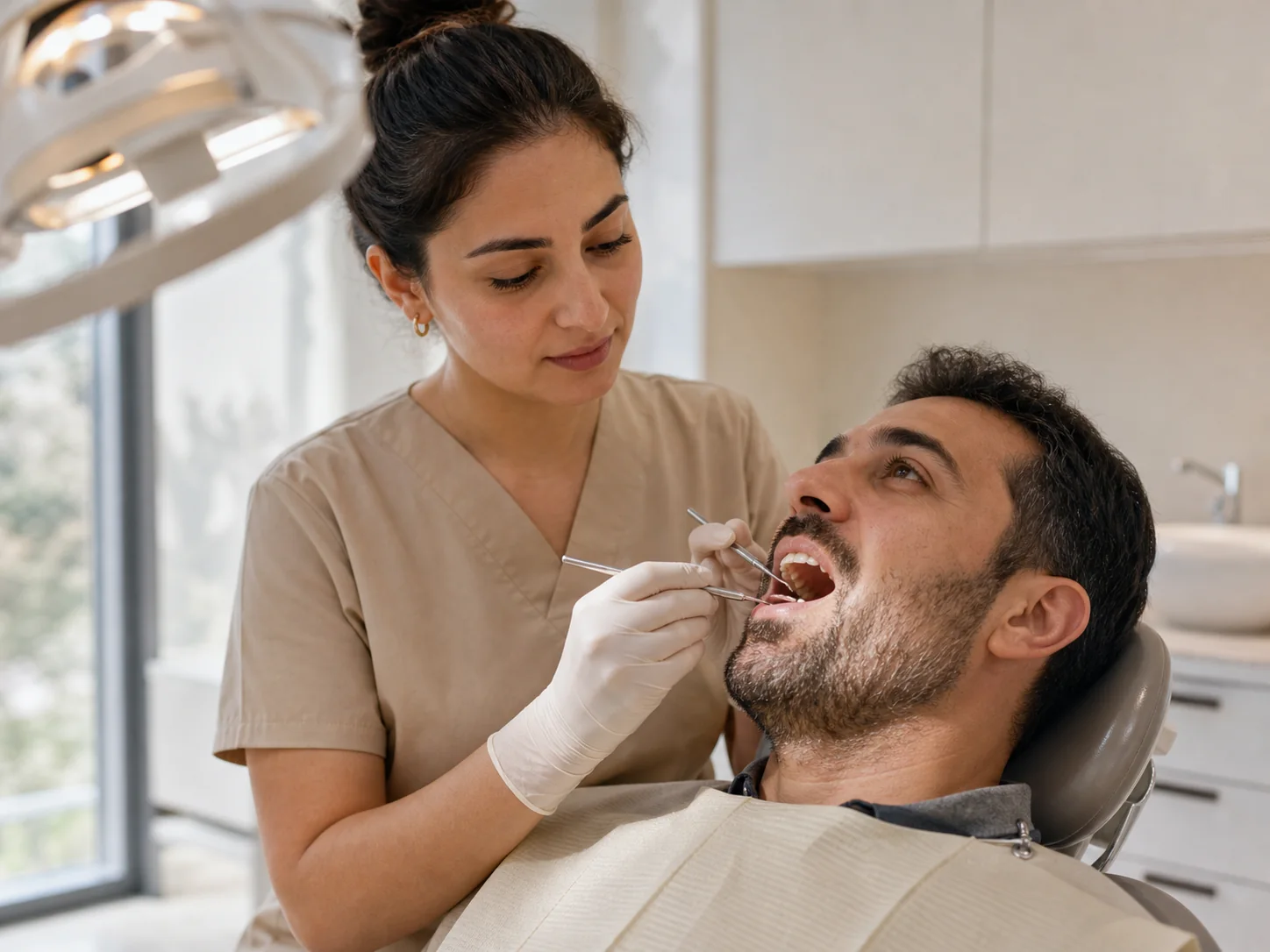

We record the current picture by examining bleeding, recession, tartar accumulation and pocket depths.
Evaluates required views. We explain the procedures, sessions and care goals to be applied.
Depending on the level of the disease, we remove the debris on the tooth surface and under the gums in a controlled manner.
We evaluate tissue response, organize home care and determine the appropriate review intervals for the individual.
The method to be applied. It is determined according to the stage of gum disease, its prevalence, personal risks and response to treatment.
Frequently asked questions
The scope of treatment and review intervals are determined individually after periodontal examination.
Bleeding that occurs while brushing teeth or spontaneously may be one of the signs of gingivitis. The cause of bleeding should be evaluated by clinical examination and gum measurements.
Professional dental scaling performed with the appropriate device and technique aims to remove the debris around the teeth and gums, not to erode the dental tissue. Short-term sensitivity may be observed after the procedure.
Receding gum tissue may not return to its previous level on its own. First of all, the cause of the withdrawal is controlled; In appropriate cases, surgical or non-surgical options are also evaluated.
Loss of support tissue in periodontitis is not always reversible. However, the progression of the disease can be slowed down and kept under control with professional treatment, good home care and regular check-ups.
The number of sessions varies depending on the extent and depth of the disease and the method to be applied. After the initial examination and periodontal measurements, a personalized treatment schedule is shared.
Yes. Effective plaque control at home and periodontal care performed at designated intervals in the clinic are essential parts of maintaining achieved health.