Zirconium Coating,
It is a metal-free fixed restoration option.

We plan the material and form of the restoration by evaluating the tooth's position, current color, remaining tissue and bite forces.

Assessment and planning
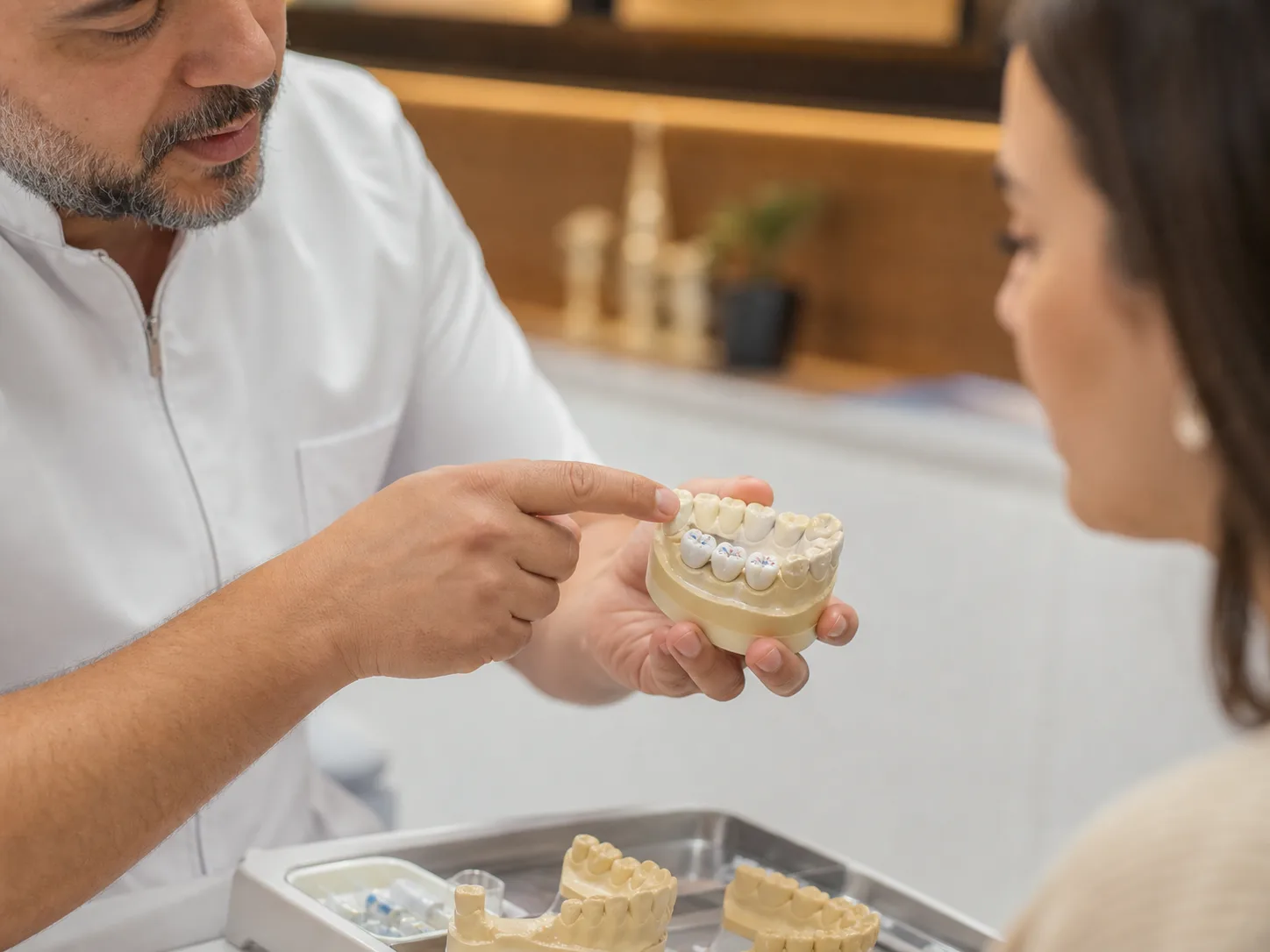
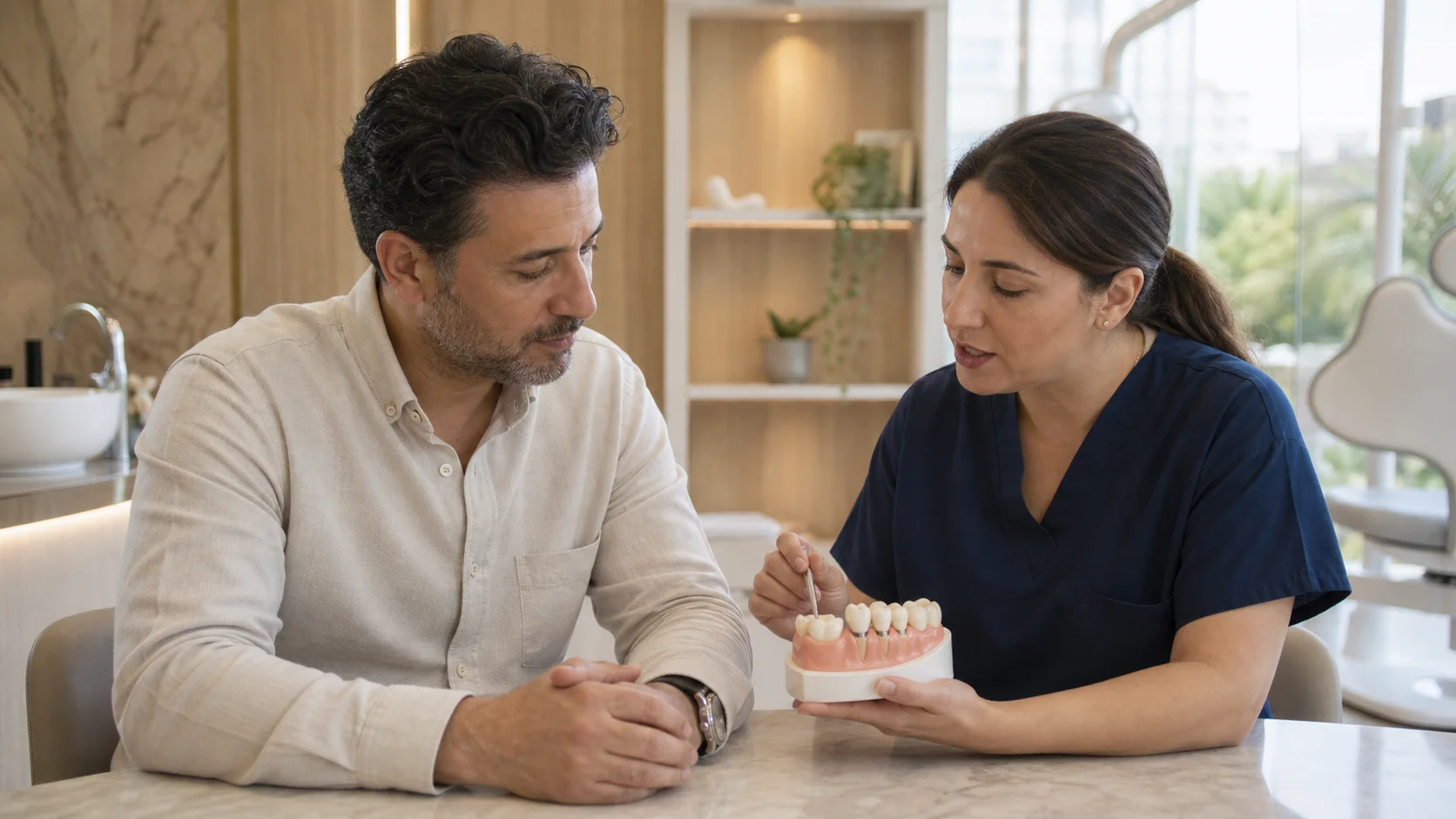
Dentist explaining zirconium coating to his patient on a tooth model
01

Appearance, strength and closure are considered parts of the same plan.

What is zirconium coating?

Zirconium coating
Which teeth can be preferred?

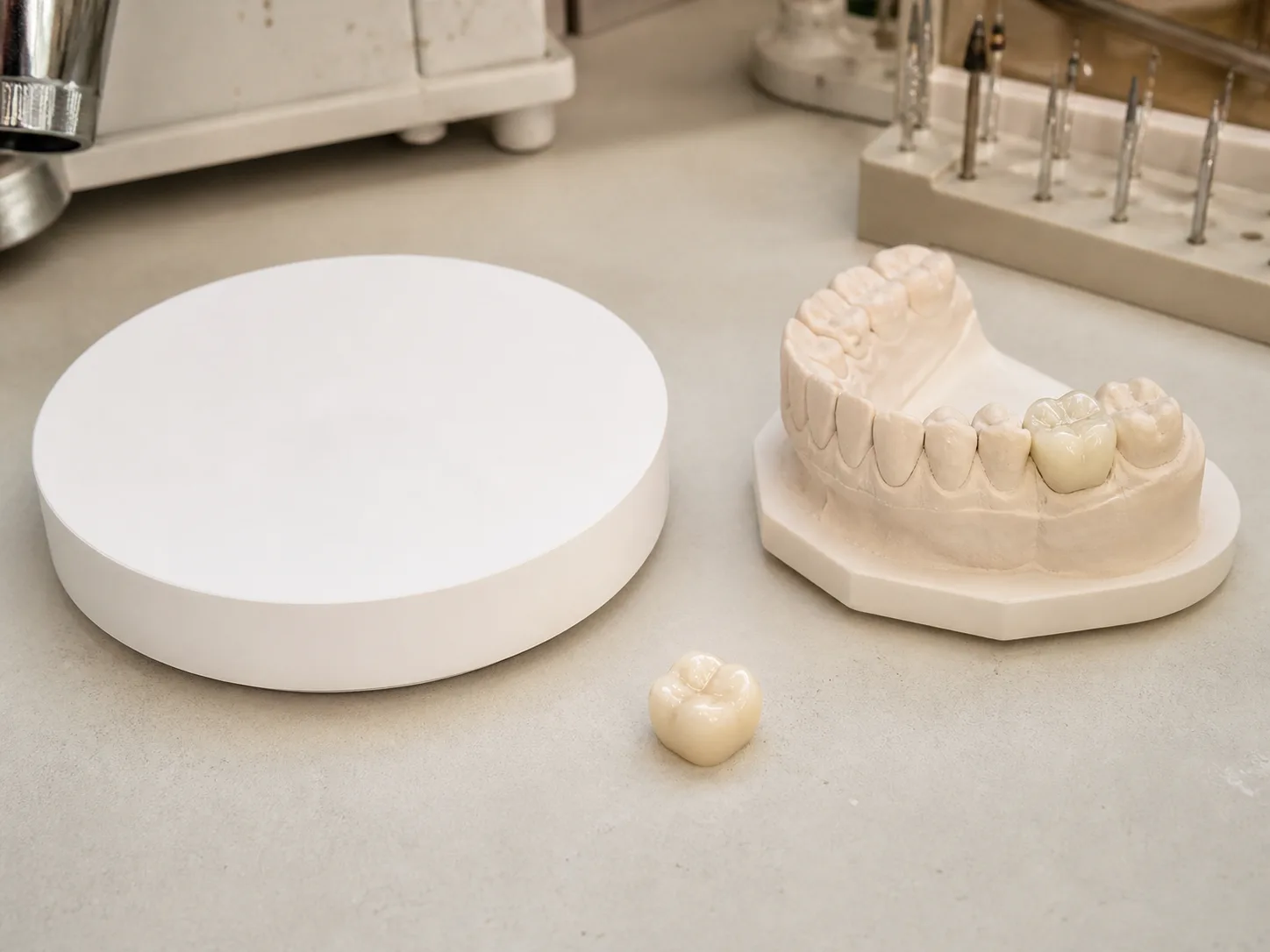
Zirconium dioxide-based restorations do not contain metal infrastructure. The type of material and its production method are selected according to the clinical needs of the tooth to be applied.

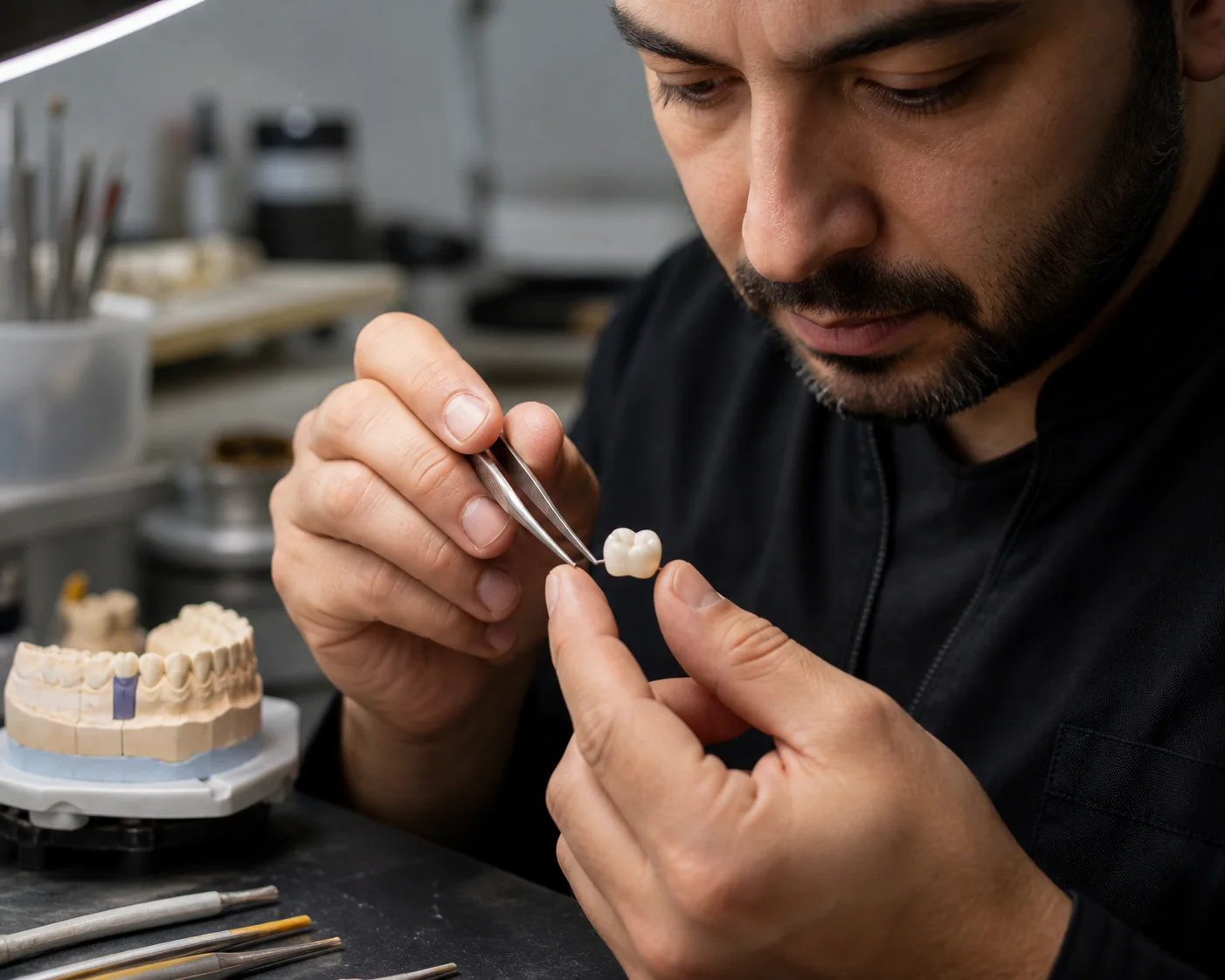
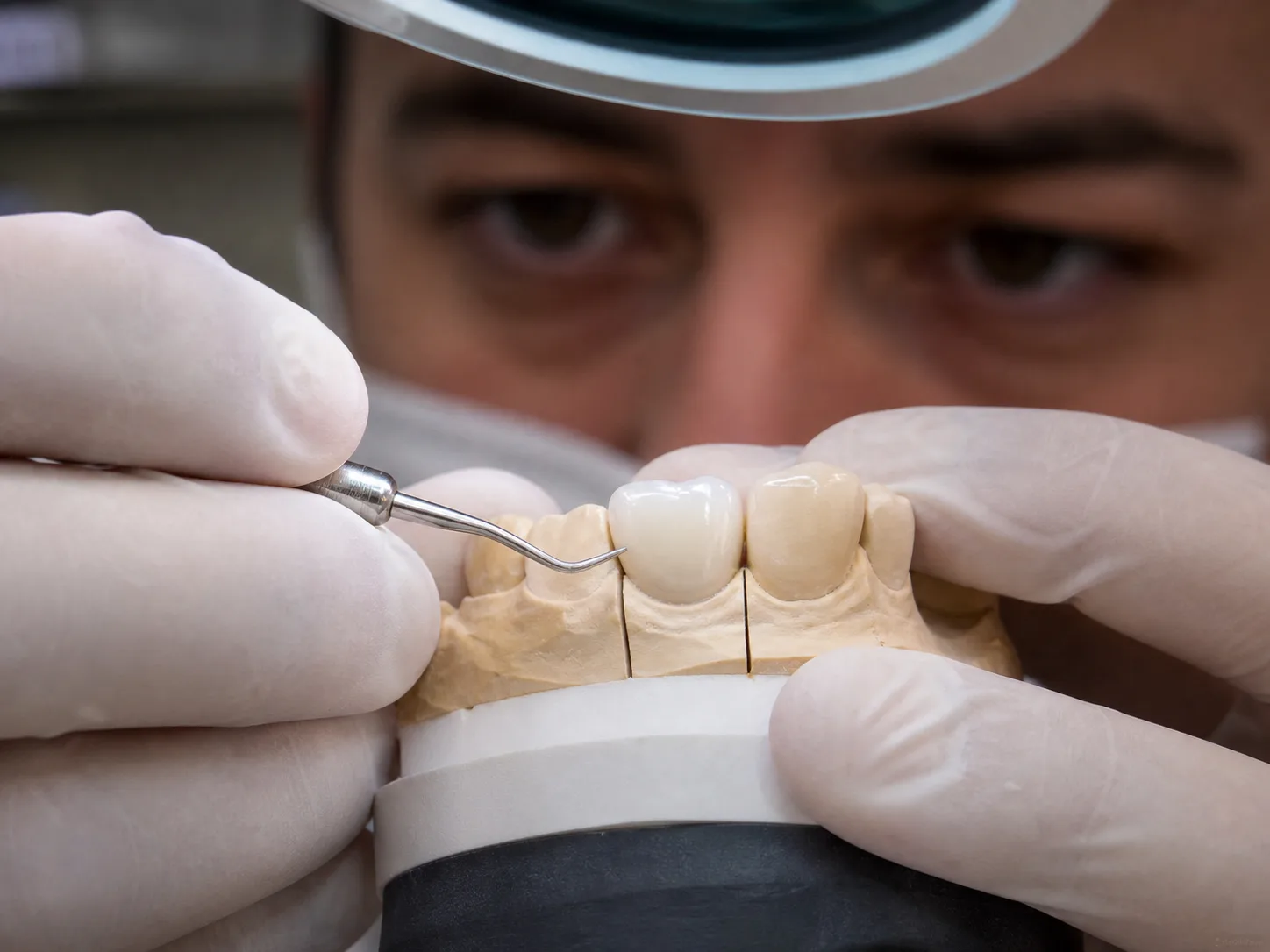
Precise examination of a zirconium ceramic crown in the laboratory
The thickness, surface character and edge compatibility of the zirconium restoration are checked in the laboratory stage.

The aim of a zirconia restoration is not simply to make teeth look whiter, but to combine natural form, healthy tissue relationships and chewing function.

During the first examination, we examine the tooth's tissue loss, existing restorations, gum level and contact with opposing teeth. Dark coloration in the substructure, need for bridges or forces in the rear area may affect material selection.

Zirconium can be produced with options with different strength and optical properties. Monolithic or layered design decision. It is determined by considering the area of ​​the tooth, width of the restoration, color expectation and functional load.

“Zirconium” does not mean a single design.Opacity, thickness, surface and production method are planned according to clinical requirements for each restoration.

01
infrastructureCurrent color and texture of the tooth
02
RegionFront or back tooth position
03
ScopeSingle crown or bridge plan
04
Strengthbite and chewing load
Treatment process

Zirconium plating process
It includes preparation, measurement, rehearsal and procedure.

Number of sessions; It may vary depending on gum health, need for pretreatment and the extent of the planned restoration.

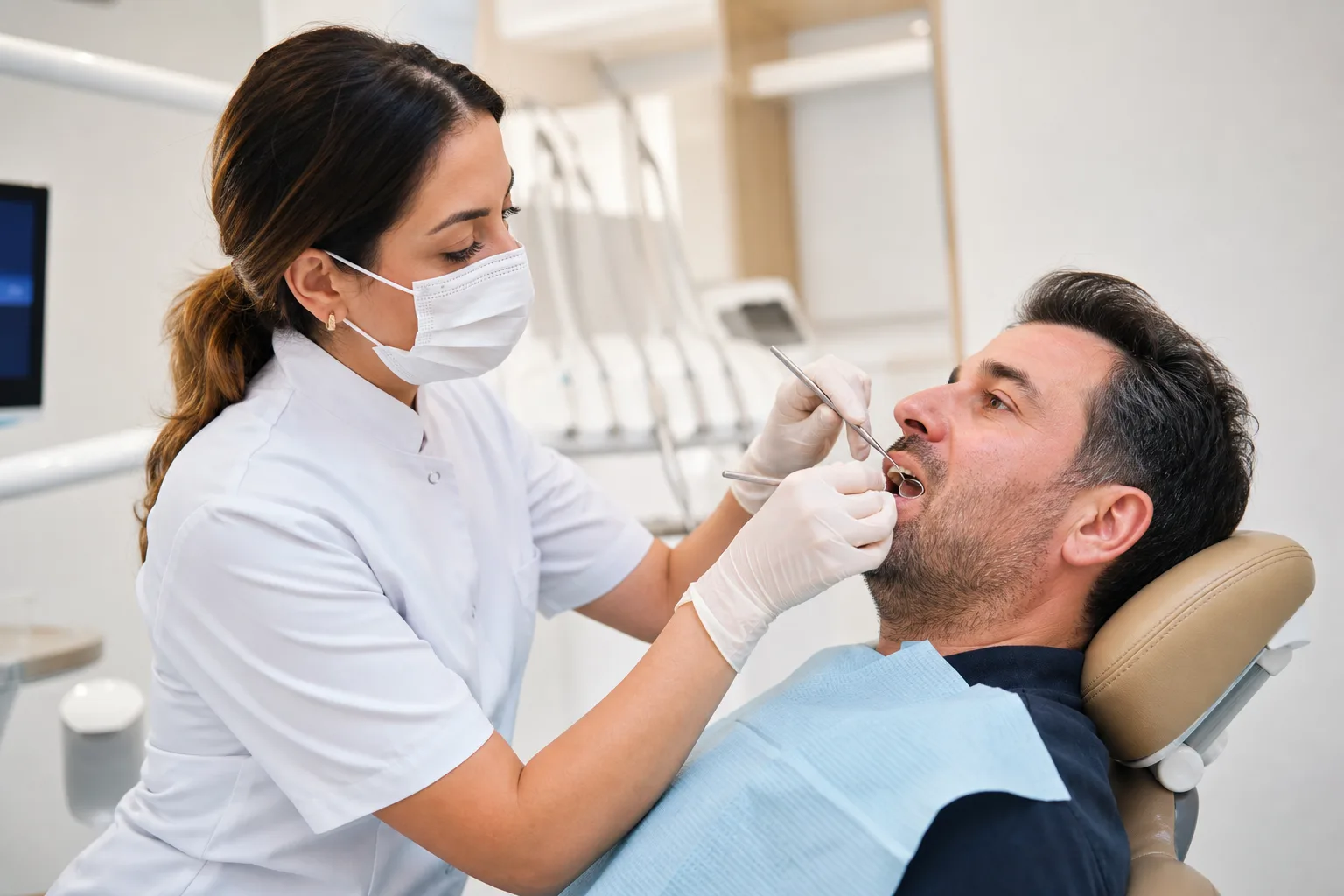
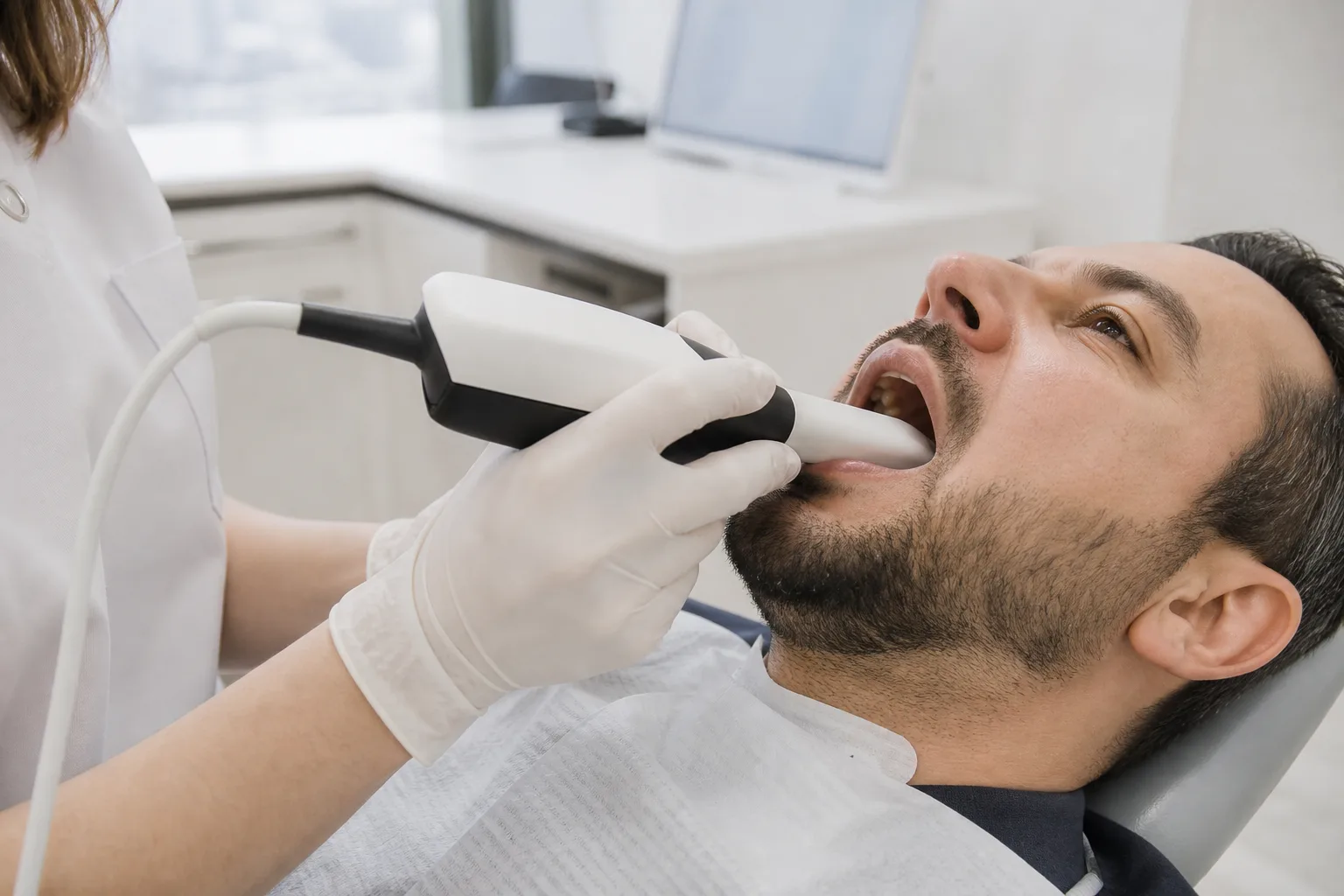
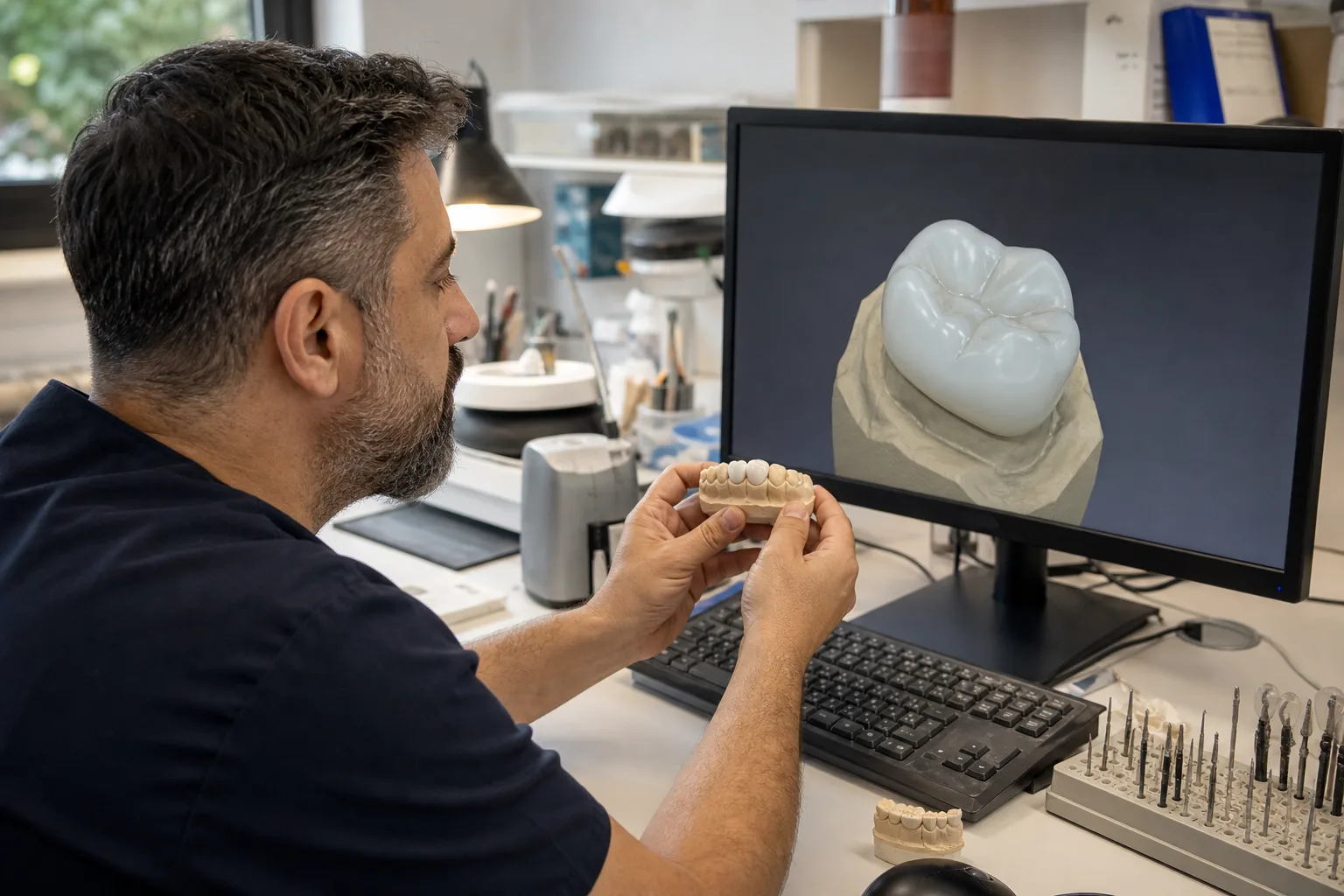
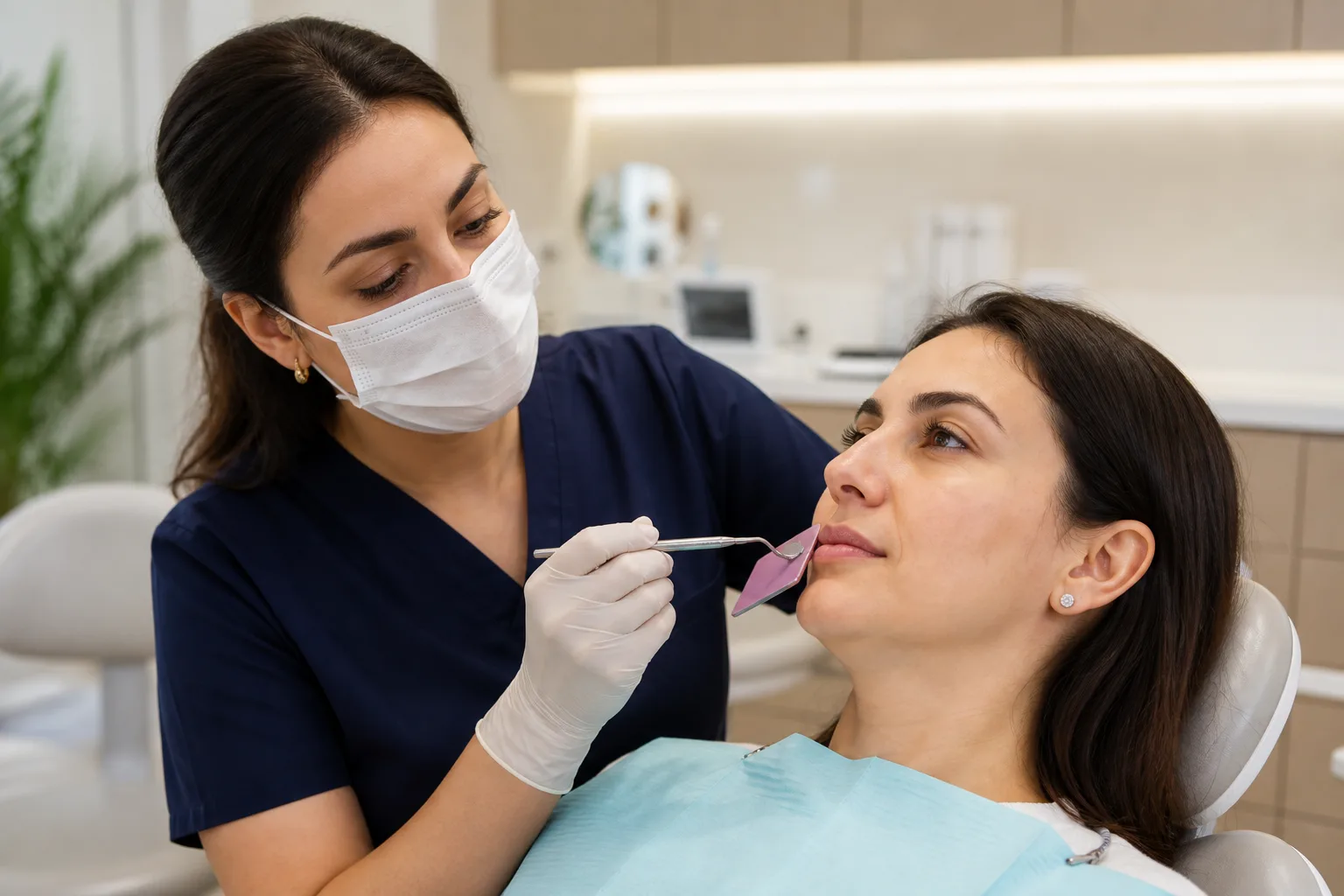
Clinical examination before zirconium coatingTaking digital intraoral impressions for zirconium coatingDesigning the zirconium crown in digital environmentZirconium coating proofing and closing control
01 / InspectionDental tissue and bite
We evaluate it in detail.
01 — 04
  1. 01
    inspection

    Clinical evaluation

    The tooth, gum, adjacent teeth, current color and bite relationship are examined in detail.

  2. 02
    Records

    Preparation and measurement

    After the necessary preparation, a digital or traditional measurement is taken; Color and photographic records are sent to the laboratory.

  3. 03
    Design

    Material and production

    Zirconium type, restoration thickness, tooth form and contact points are planned based on impression records.

  4. 04
    Review

    Rehearsal and practice

    After evaluating the edge harmony, color, adjacent tooth contacts and closure, the restoration is applied permanently.

Planning details

In zirconium restorations
material and design decisions.

Material selection. It is done according to the tooth color, region, restoration width and bite conditions.

Determination of natural tooth color for zirconium coating with a scale
01 Color registration
01 / Color

Color and masking

The tone of the underlying tooth tissue is evaluated as well as the color of the adjacent teeth. The opacity and layering style of the zirconium to be selected are determined accordingly.

A balanced plan is required between masking dark infrastructure and preserving natural light behavior.Assessment and planning
Material selection

Zirconium selection,
It is done according to the position of the tooth and the forces.

Higher light transmittance and higher mechanical strength may not be found equally in the same zirconium option. Therefore, the generation of the material, the method of production and the restoration design are determined according to the region to be applied.

Our aim is not just to make coatings. The aim is to plan a restoration that can be cleaned, is compatible with the closure, and is balanced with the surrounding tissues.

Request a zirconium evaluation

Frequently asked questions

About zirconium coating
frequently asked questions.

Material selection and treatment scope are determined after clinical examination.

Zirconium coating is one of the dental coating options prepared with zirconium dioxide-based ceramic infrastructure or monolithic restorations. It does not contain metal infrastructure. The type, color and design of the material are determined according to the location of the tooth and clinical need.

Suitability is determined by evaluating the tissue loss in the tooth, current color, gum health, bite forces, missing tooth gap and teeth clenching habit. It is not automatically considered suitable for every tooth.

Zirconium and lithium disilicate based E-Max ceramics have different strengths, opacity, light transmittance and usage areas. The choice is not just about appearance. It is done based on the region of the tooth, substructure color, restoration width and the forces acting on it.

Tooth preparation may be required to provide adequate space and correct edge form for the restoration. The amount of preparation varies depending on the existing tissue, the location of the tooth, and the design of the planned zirconium restoration.

Zirconium ceramics are known for their high mechanical strength. However, long-term success does not depend solely on the material. Correct case selection, preparation, edge compatibility, bite order, oral care and regular check-ups are all important.

The fee is determined according to the number of teeth to be applied, single crown or bridge plan, need for pre-treatment, material to be used and the scope of the restoration. The personal plan and fee are clarified after the clinical examination.