
No. In addition to the appearance of the teeth, orthodontic treatment also evaluates the bite relationship of the lower and upper teeth, chewing function and sustainability of oral care. Treatment goals are personalized based on examination findings.
Orthodontic Treatment,
Improves tooth alignment and the bite.
It evaluates the alignment of the teeth, jaw relationship and facial proportions together. We plan braces treatment or Invisalign clear aligner options to suit your daily life.
Orthodontic evaluation ↗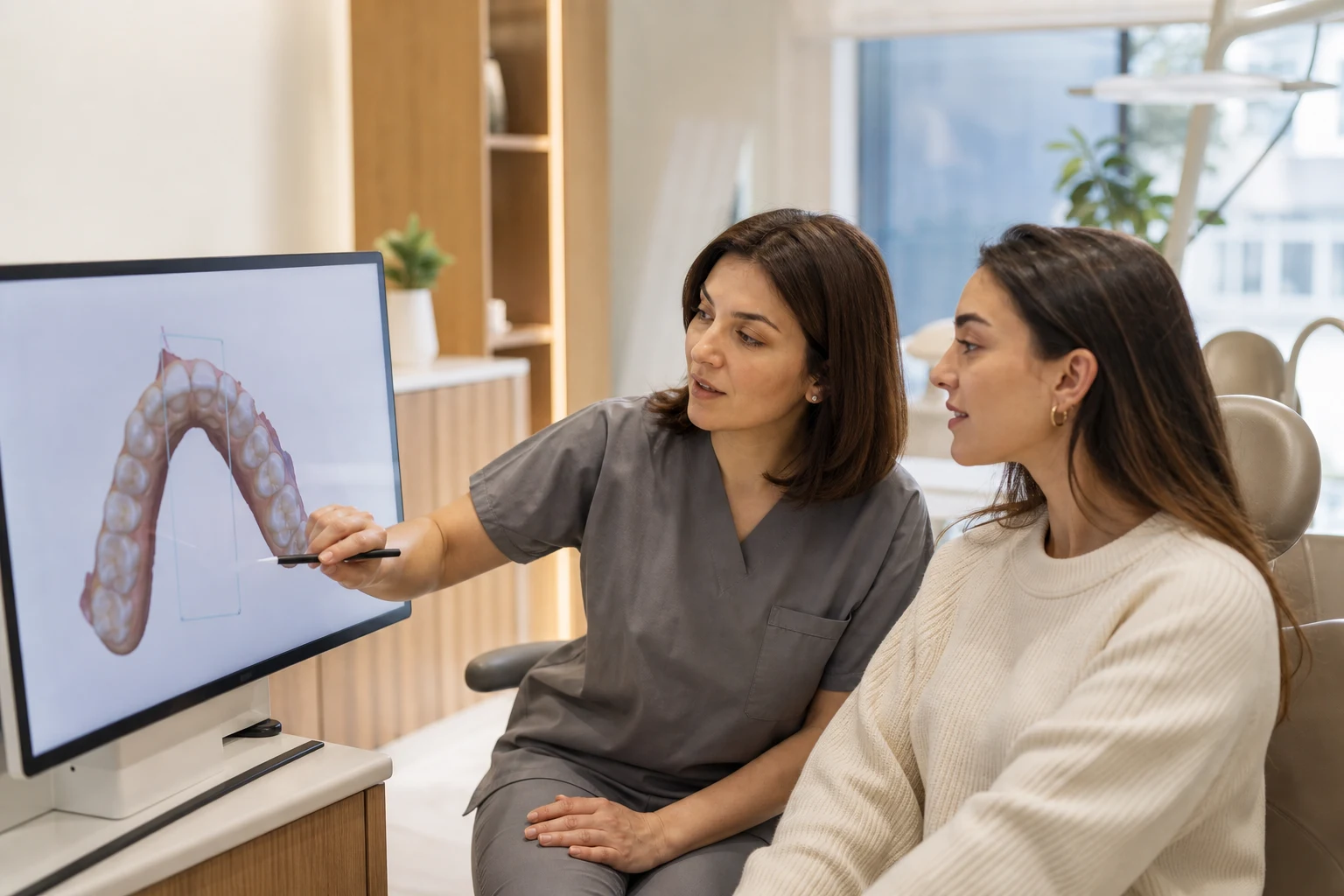
We consider intraoral digital scanning, tooth alignment and bite relationship as parts of the same plan.
What is orthodontics?In orthodontic treatment
In orthodontic treatment
The relationship between teeth and jaw is evaluated.
Orthodontic treatment; It evaluates crowding, gaps and malocclusions together with teeth, jaws and surrounding tissues. The goal is not just aesthetics, but a healthy and sustainable oral function.
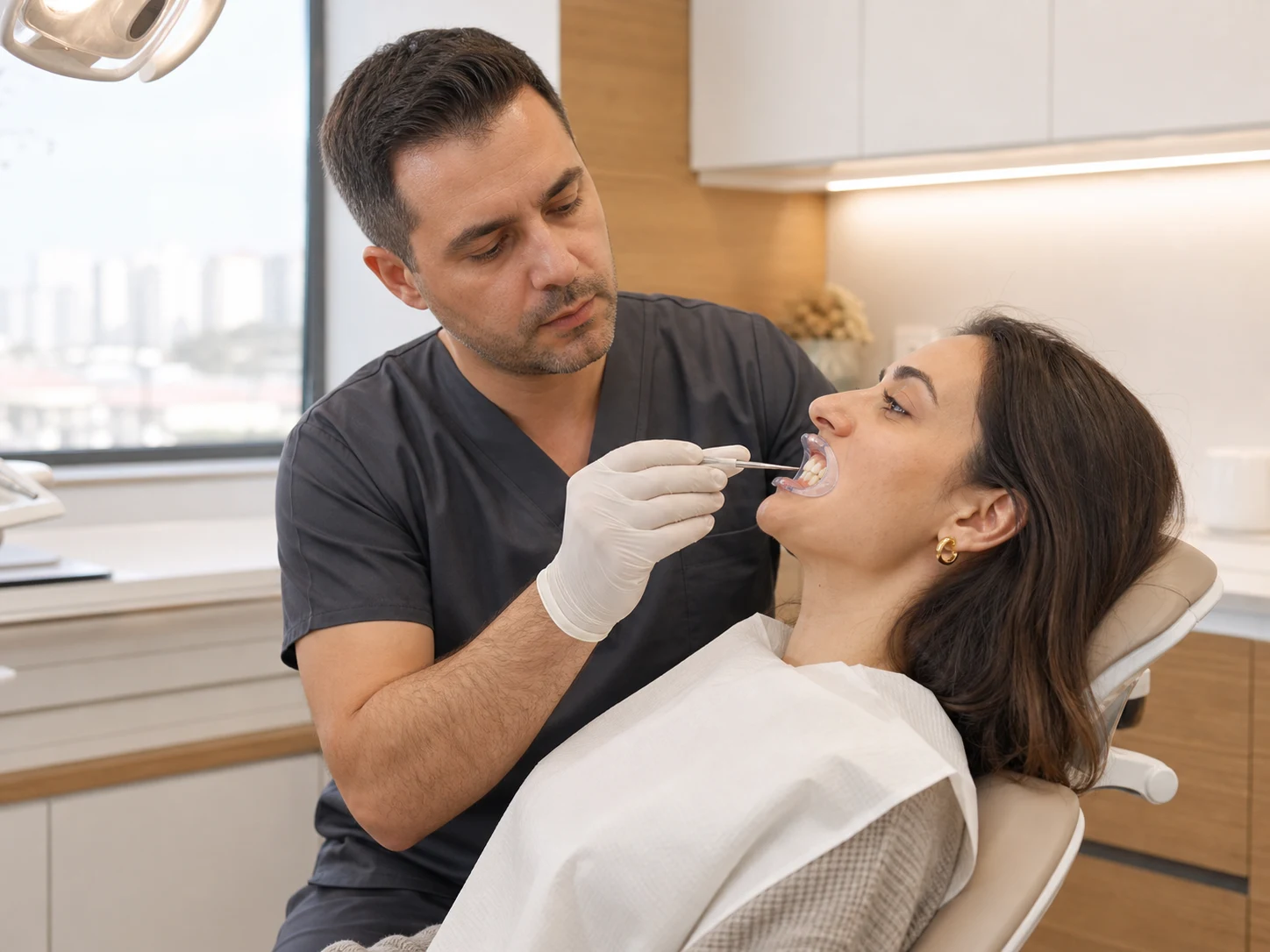
Similar-looking crowding can be associated with different bite problems. We therefore identify the clinical need before selecting the method.
We clinically examine areas that affect the position of the teeth, the relationship of the lower and upper jaw, smile line and oral care.
When necessary, we combine photographs, digital impressions and radiographic records to determine which tooth movements will be planned and the order of these movements.
We apply two basic treatment methods.Choosing braces treatment or Invisalign clear aligners. It is done according to the scope of the problem, anticipated movements and patient compliance.
- 01
- Crowding and spacingPosition of teeth within the arch
- 02
- bite relationshipContact of lower and upper teeth
- 03
- jaw developmentEvaluation according to age and growth
- 04
- Oral healthGums, caries and hygiene status
Pre-treatment registrationWith intraoral scanning
With intraoral scanning
We create the digital startup record.
Before orthodontic planning, we create a three-dimensional record of the teeth, alignment and bite with the iTero intraoral scanner.
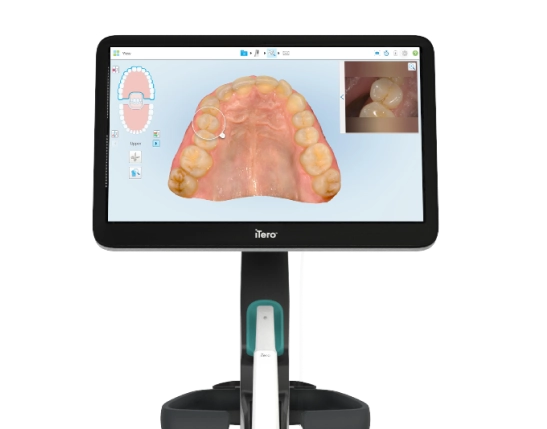
01 / Digital start register
The treatment plan begins with a detailed record of the current tooth alignment.
Digital scanning; It helps us record the position and bite relationship of the teeth in three dimensions without using impression material. The records are evaluated together with clinical examination, photographs and necessary radiological images.
- 01
- Three-dimensional recording of tooth alignment
- 02
- Evaluation of the bite relationship
- 03
- Digital data for Invisalign clear aligner planning
Treatment processOrthodontic treatment process
Orthodontic treatment process
The process includes assessment, active treatment and retention.
Orthodontic plan; It consists of complementary stages, from initial recordings to active treatment reviews and the retention phase.

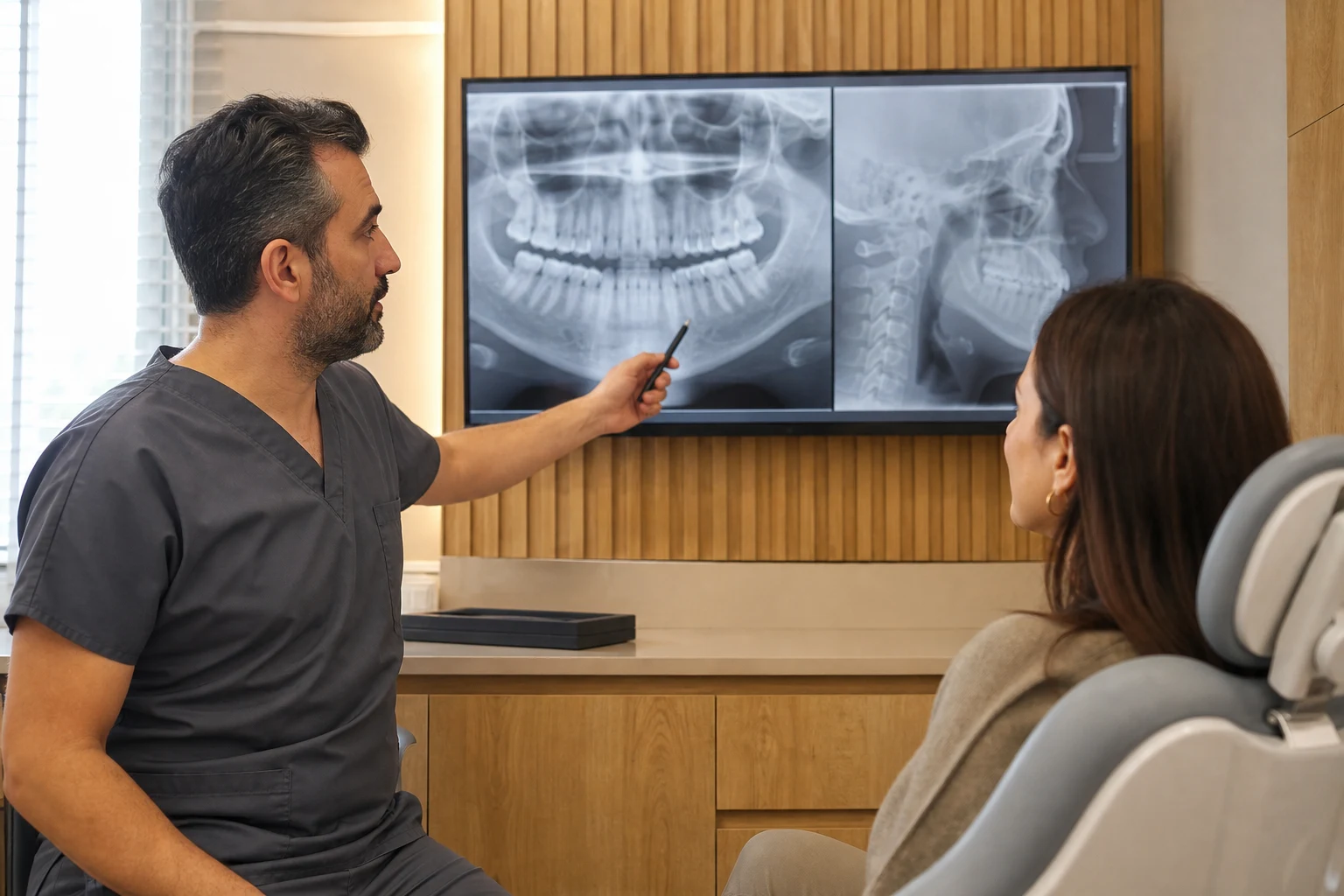
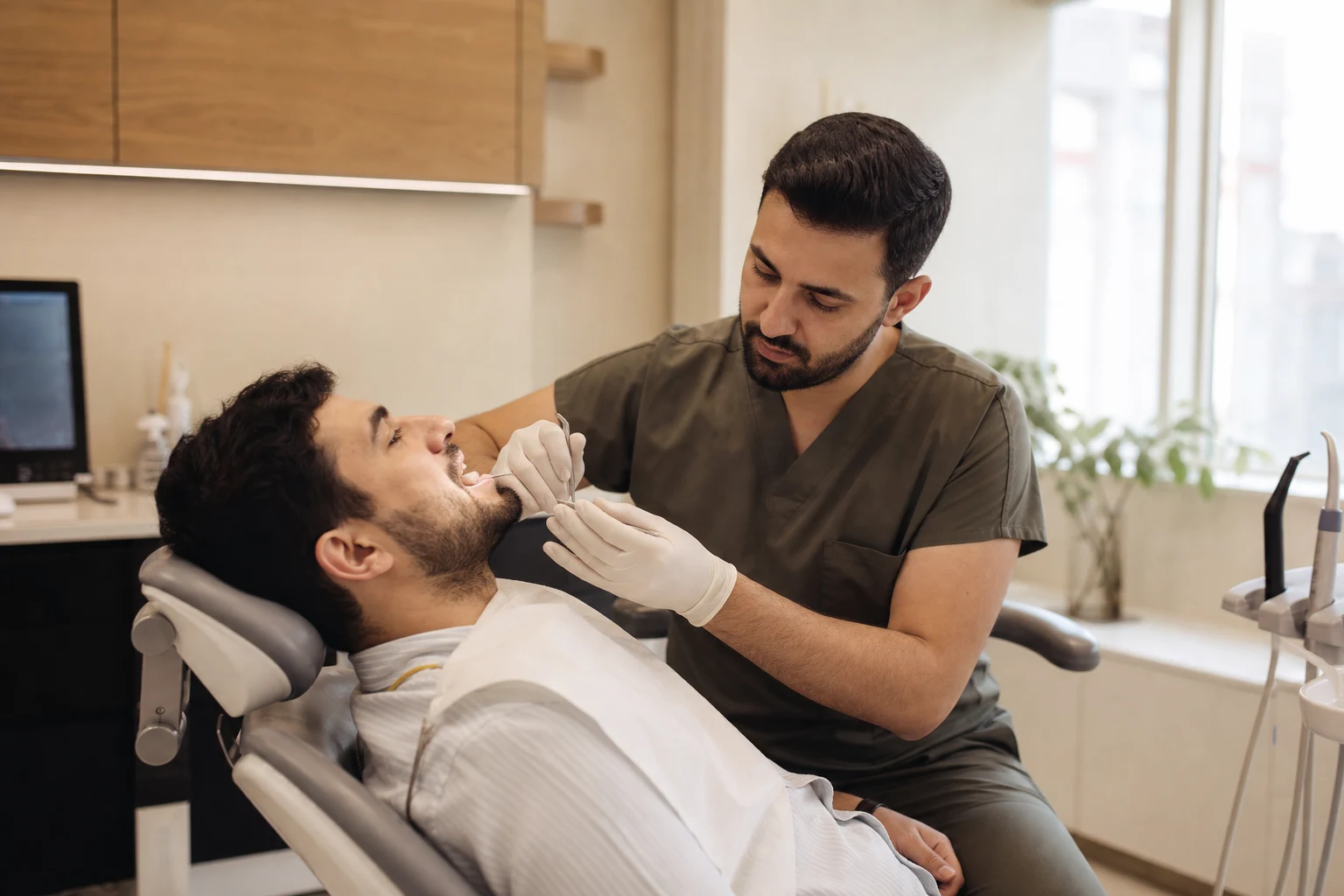
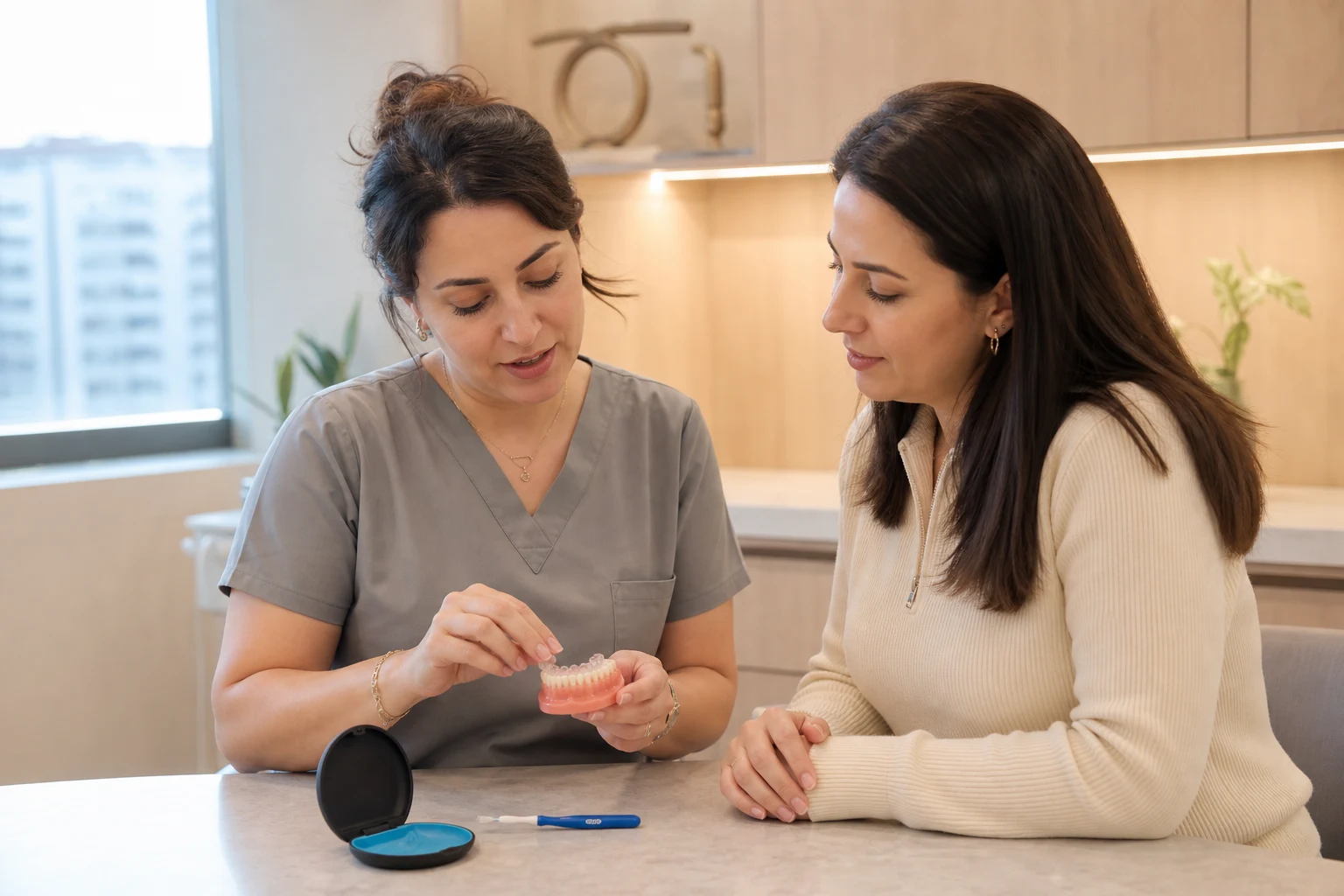
We examine it clinically.01 — 04
- 01inspection
Tooth and bite analysis
He listens to your expectations. We evaluate tooth alignment, bite, jaw movements and oral health together.
- 02iTero dijital tarama
Personal treatment plan
We plan the braces treatment or Invisalign clear aligners option and the estimated process based on intraoral scans, photographs and necessary imaging records.
- 03Braces or clear aligners
Controlled tooth movement
He applies the chosen method; During check-ups, we evaluate tooth movements and the response of oral tissues.
- 04Retainer and follow-up
Preservation of the result
After active treatment, we determine the retainer and controls that will help maintain the new position of the teeth.
Two treatment methodsBraces treatment and Invisalign® clear aligner:
Braces treatment and Invisalign® clear aligner:
The appropriate method for the individual is determined by examination.
Braces and Invisalign clear aligners move teeth by applying controlled forces. The appropriate method is selected according to the required tooth movements and bite findings, not appearance alone.
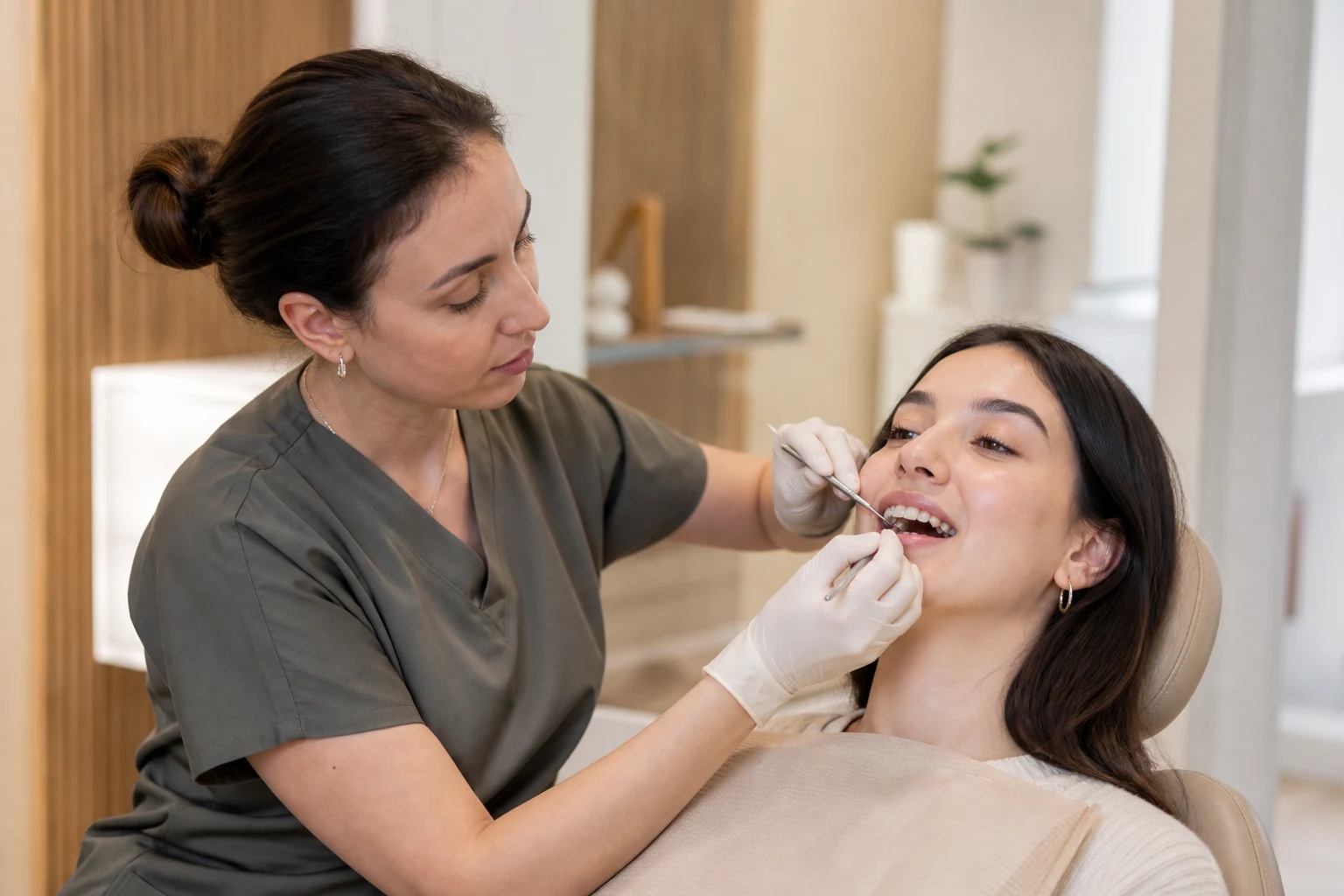
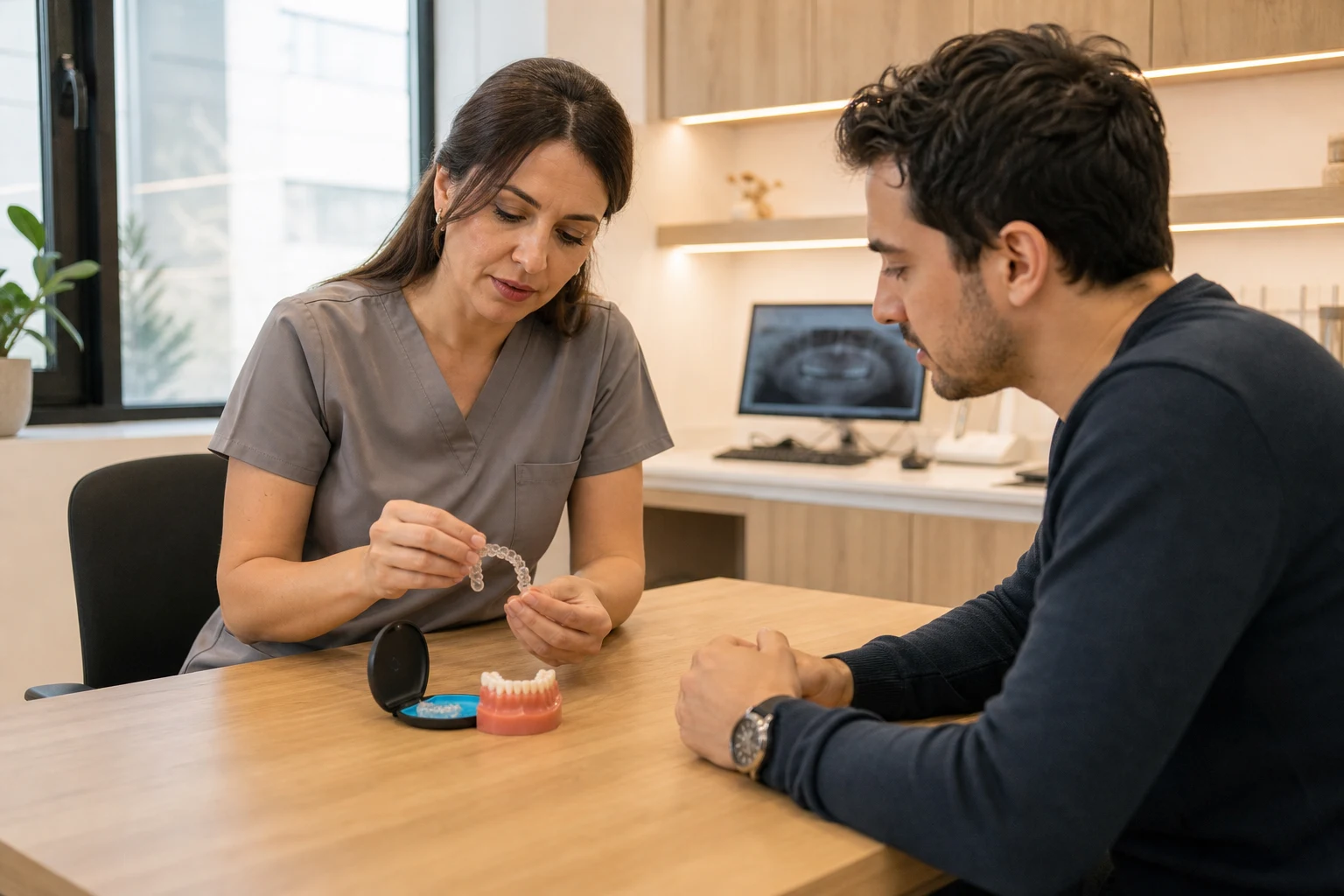
braces01 — 02
-
01
Fixed orthodontics
Metal or aesthetic brackets
Fixed braces use brackets and wires to guide tooth movement and can be considered for a wide range of orthodontic problems.
Planned control · Wire and auxiliary elements are arranged according to the targeted movement. -
02
Invisalign® clear aligner
Custom Invisalign® aligners
In our clinic, clear aligners treatment of suitable cases is planned with the Invisalign system. Sequential aligners prepared based on intraoral scan data can be removed during meals and oral care.
Digital plan and usage compatibility · It is important to use the aligners for the recommended time and order.
Frequently asked questions
About orthodontic treatment
frequently asked questions.
Appropriate method and duration of treatment. It is determined individually according to tooth movements, bite relationship, oral health and usage compatibility.
Both methods have their appropriate situations and limits. Decision. It is given by evaluating the extent of tooth movement, bite problem, age, oral health and compliance with the use of aligner. In our clinic, clear aligners treatment is planned with the Invisalign system in appropriate cases.
A three-dimensional digital record of the teeth and bite is created with the iTero intraoral scanner. This record supports the evaluation of the current alignment and the digital preparation of Invisalign clear aligner planning.
Orthodontic treatment can also be considered in adults as long as the bone and gum tissues surrounding the teeth are healthy. Existing fillings, crowns, missing teeth and gum condition are included in the treatment plan.
Treatment duration; It varies depending on the tooth movements to be corrected, the complexity of the closure, the chosen method, growth-development status and patient compliance. The estimated time is shared individually after the records are reviewed.
After placing the brackets or switching to a new aligner, pressure and tenderness may be felt, which may last for a few days. If pain is severe or lasts longer than expected, the clinic should be contacted.
Fixed or removable retainers may be planned to maintain the new tooth positions after active treatment. Wear instructions and review intervals are tailored to the patient.